
🌱 2026's Plant Takeover (It's Not What You Think)
The surprising plants dominating homes next year (and the mistakes to avoid)


|
The Greenhouse Weekly Digest
Welcome to your spring refresh! This week, we’re diving into the houseplants taking over 2026, expert-approved care techniques that actually work, and budget-friendly deals to grow your indoor jungle without breaking the bank.
“Plants give us oxygen for the lungs and for the soul.”
— Linda Solegato, Author and Plant Enthusiast
Today’s Themes
- 🌿 Nine trending houseplants for 2026 that prioritize wellness and easy care
- 🪴 Succulent success secrets: The complete guide to thriving low-maintenance plants
- 🌱 Spring revival hacks to save your struggling houseplants
- 💰 Budget-friendly plant shopping during Spring Black Friday sales
🔗 Move Over Monsteras and Fiddle Leaf Figs—These Houseplants Are Taking Over in 2026 (9 minute read)
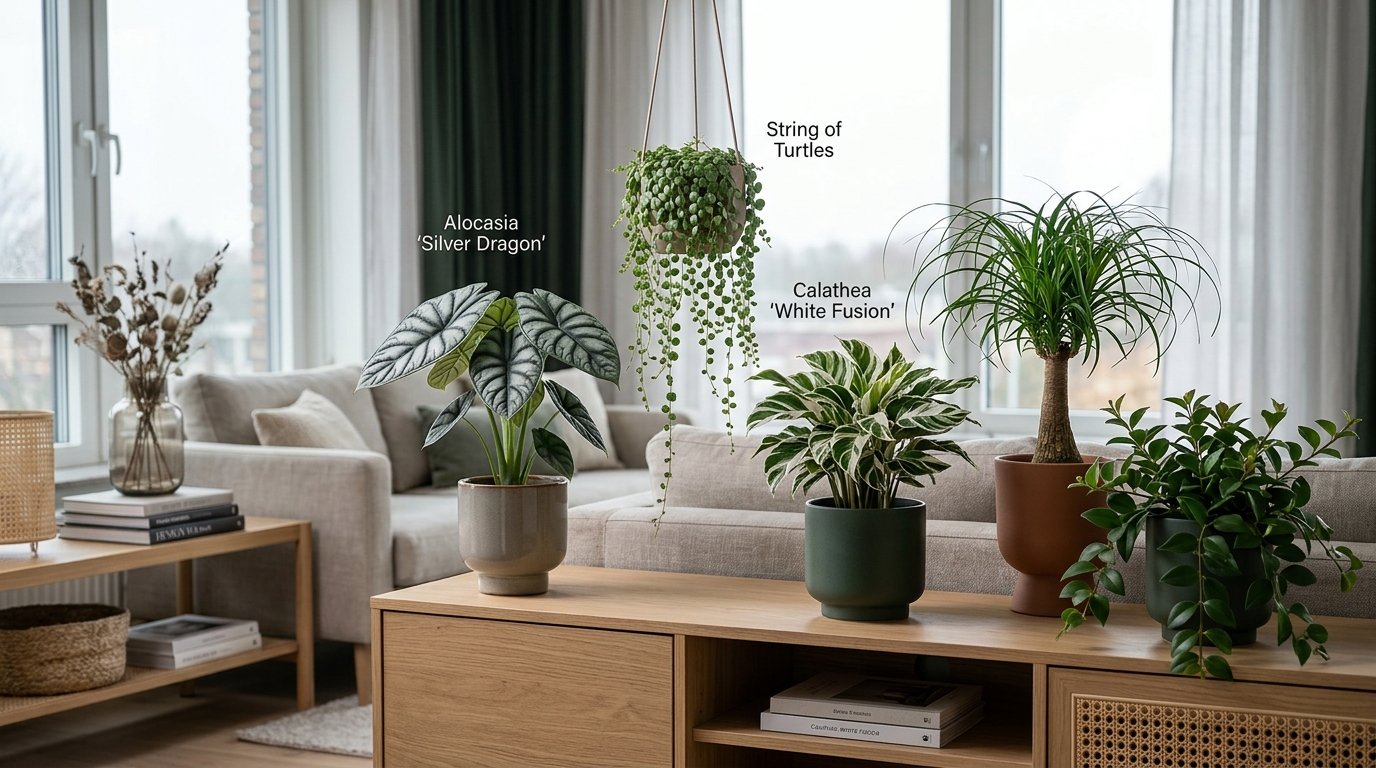
The houseplant landscape is shifting dramatically in 2026, moving away from the Instagram-famous Monsteras and finicky Fiddle Leaf Figs toward plants that prioritize wellness, connection to nature, and realistic care requirements. Industry experts have identified nine game-changing plants taking over homes this year, from the rare Alocasia ‘Silver Dragon’ with its stunning metallic gray-green leaves to the vibrant Coleus ‘Chocolate Mint’ bursting with burgundy and lime hues.
Key Points:
- Drought-tolerant Senecios and pet-friendly Bella Palms lead the low-maintenance category, perfect for busy urban dwellers
- Interactive plants like Prayer Plants that fold their leaves at night combine aesthetic appeal with emotional connection
- The trend emphasizes both visual impact and easy care requirements, solving common challenges for apartment and office environments
Why it matters: This isn’t just about aesthetics—2026’s trending houseplants solve real problems for modern plant parents. Whether you’re juggling a demanding schedule, living in a pet-friendly household, or simply tired of watching expensive plants die from complicated care routines, these nine options offer stunning visual appeal without the stress. The shift toward wellness-focused, low-maintenance plants reflects a growing understanding that the best houseplant is one that actually thrives in your specific environment.
🔗 How to Plant Succulents—Plus, 7 Care Tips So They Thrive (11 minute read)
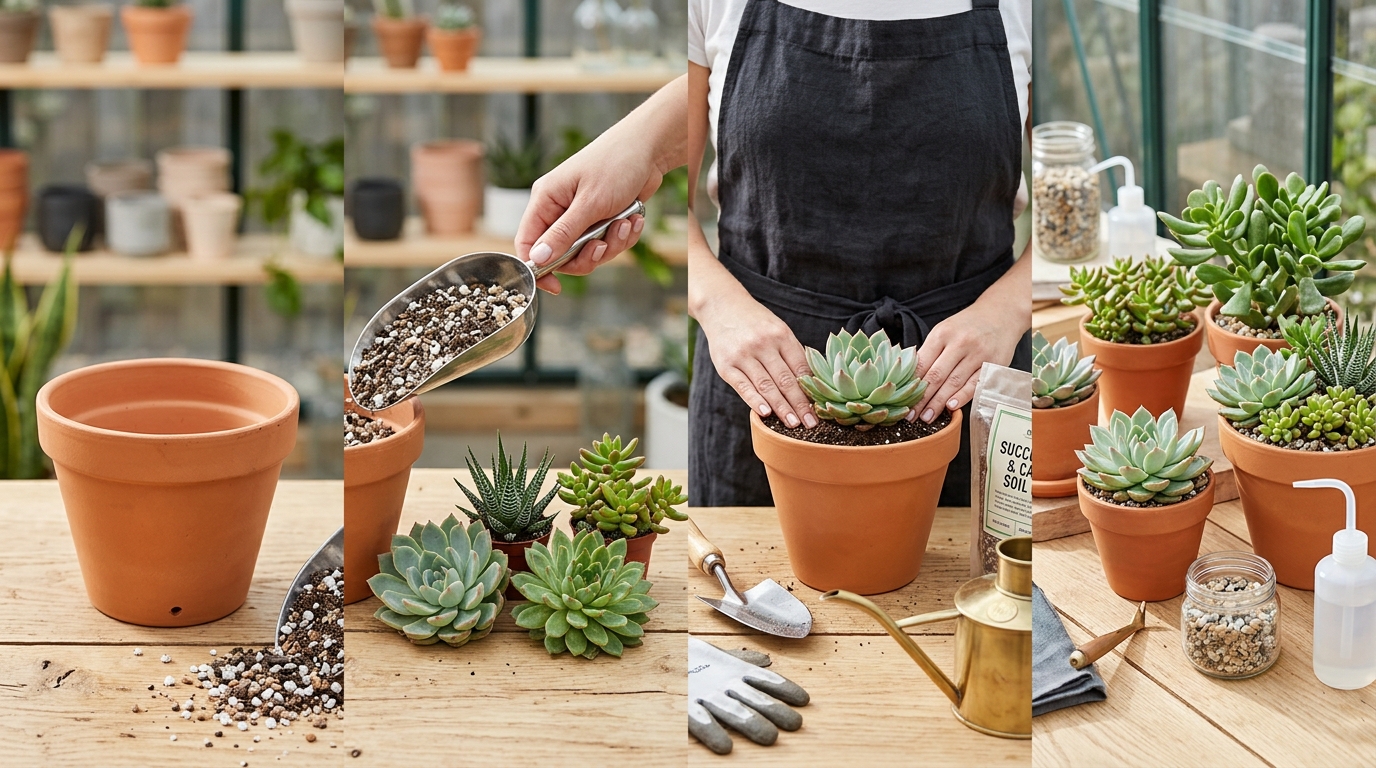
Succulents have earned their reputation as the ultimate beginner-friendly plants, but success requires understanding a few essential principles. This comprehensive guide from Architectural Digest breaks down everything from choosing the right drainage-equipped pots—terra-cotta works best for beginners—to mastering the art of strategic watering. The key is creating the right foundation with porous, sandy soil that prevents moisture retention, then planting your fleshy succulents gently while accounting for their surprisingly small root systems.
Key Points:
- Success requires six hours of daily sunlight and frequent rotation to prevent leaning toward light sources
- Water strategically: soak soil until water drains, but only when the top 1.25 inches are completely dry—never mist
- Keep leaves dust-free, fertilize lightly during growing seasons, and watch for common pests like gnats and mealybugs
Why it matters: The counterintuitive truth about succulents is that most failures come from too much care, not too little. By understanding that these desert-adapted plants thrive on benign neglect—infrequent deep watering rather than constant misting, well-draining soil instead of rich potting mix—you’ll avoid the most common mistakes that kill otherwise indestructible plants. This guide gives busy urban dwellers the confidence to succeed with one of the easiest plant categories available.
🔗 Your Gardening Obsession Could Be Killing Your Houseplants—These Easy Hacks Are Ideal for Lazy Plant Lovers (29 minute read)
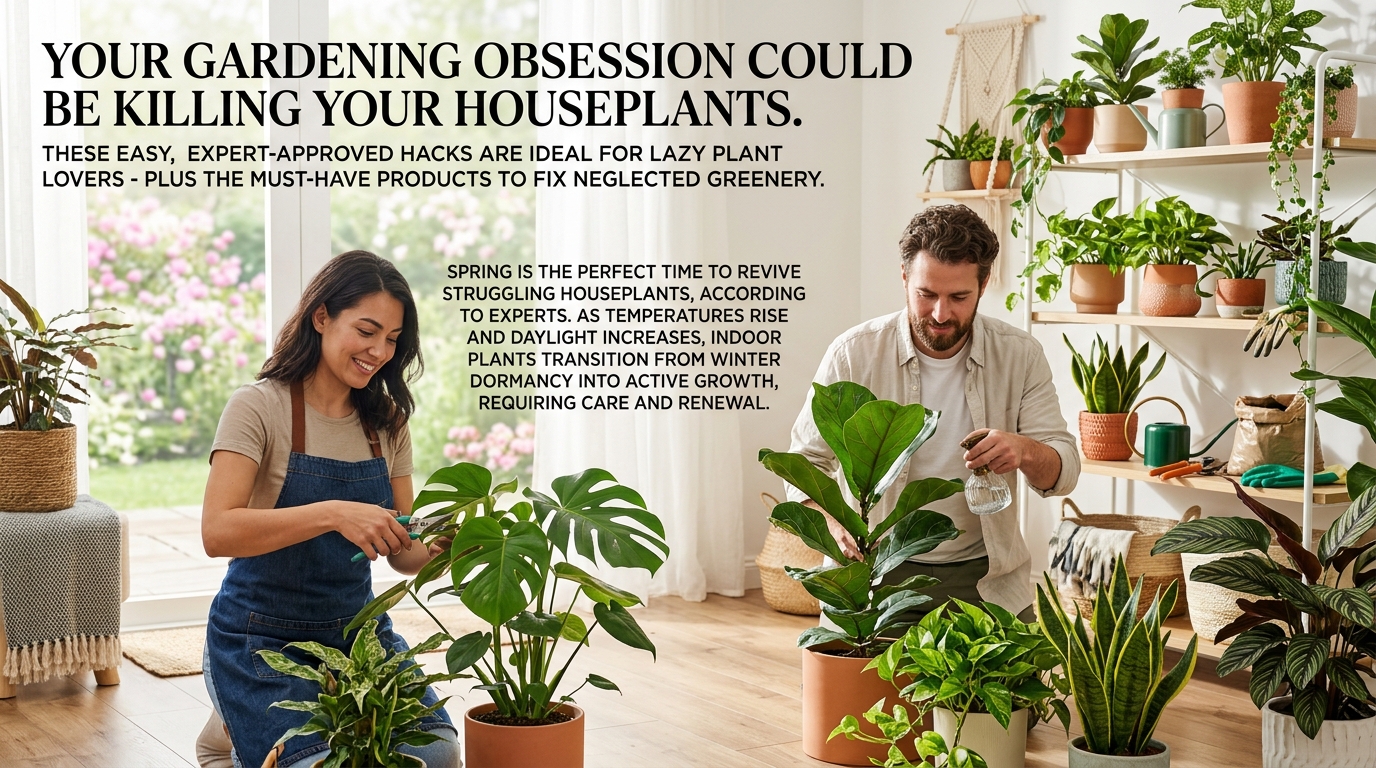
Spring marks the perfect moment to revive struggling houseplants as they transition from winter dormancy into active growth mode. As temperatures rise and daylight increases, indoor plants require more water and nutrients—but the surprising truth is that many plant parents are actually killing their greenery with too much attention. Baby Bio’s brand manager shares five essential spring revival hacks that make a significant difference without requiring extensive effort.
Key Points:
- Start regular feeding with balanced fertilizer as plants exit winter dormancy and enter active growth
- Check soil moisture frequently, clean leaves to boost light absorption, and repot overgrown plants into fresh soil
- Relocate plants to brighter spots as spring sunlight increases—many winter placements become too shady for optimal growth
Why it matters: The counterintuitive angle here challenges conventional wisdom: sometimes less obsessing means healthier plants. Many novice gardeners over-water, over-fertilize, or constantly move their plants searching for the “perfect” spot, when what indoor greenery really needs is consistent, simple maintenance aligned with seasonal changes. These five hacks address the transition from winter to spring—a critical period when adjusting your care routine can mean the difference between thriving plants and struggling survivors.
Trending Now
-
Alocasia ‘Silver Dragon’: This rare 2026 trending plant features stunning metallic gray-green leaves that add sophisticated visual impact to any space
-
Terra-Cotta Pots for Succulents: The gold standard for succulent containers, offering superior drainage and breathability that prevents root rot
-
Coleus ‘Chocolate Mint’: Vibrant burgundy and lime foliage making waves in 2026 for its bold color combinations and easy care
-
Prayer Plants: Interactive houseplants that fold their leaves at night, combining aesthetic appeal with fascinating movement
-
Spring Black Friday Plant Sales: The Home Depot offering up to 20% off indoor and outdoor plants for budget-conscious gardeners
Worth Reading
🎯 Bella Palms: The Pet-Friendly Alternative to Trendy Houseplants
As pet owners search for safe greenery options, Bella Palms are emerging as a top 2026 trend. These elegant palms offer the tropical aesthetic of more toxic varieties without the worry, making them perfect for households with curious cats and dogs. (Read more)
🎯 The Soil Mistake Killing Your Succulents
Most succulent failures trace back to one critical error: using standard potting soil instead of porous, sandy mixtures. Regular soil retains too much moisture for these desert-adapted plants, leading to root rot and eventual death. Switch to specialized succulent soil or create your own mix for dramatically better results. (Read more)
🎯 Why Misting Your Succulents Is Doing More Harm Than Good
Despite popular belief, succulents don’t benefit from misting. These plants evolved in arid environments where they receive infrequent deep watering, not constant surface moisture. Instead, water directly into the soil until it drains, then wait until the top 1.25 inches are completely dry before watering again. (Read more)
🎯 Fiddle Leaf Fig Bundle Deal: $60 for Three Plants
The Home Depot’s Spring Black Friday event features the Vigoro Fiddle Leaf Lyrata bundle—two 6-inch peace lilies and one 10-inch fiddle leaf fig in decorative white planters—now $60, down from $74. Perfect for beginners wanting to start their indoor garden without overspending. (Read more)
🎯 Spring Plant Feeding: When and How to Resume Fertilizing
As houseplants exit winter dormancy and enter active growth with increased spring temperatures and daylight, they need more nutrients. Start regular feeding with balanced fertilizer now to support new growth, but avoid over-fertilizing—a common mistake that causes more harm than good. (Read more)
🎯 Drought-Tolerant Senecios: The Ultimate Low-Maintenance Houseplant
Senecios are climbing the 2026 trend charts for one simple reason: they thrive on neglect. These drought-tolerant plants require minimal watering and forgive forgetful plant parents, making them ideal for busy urban dwellers or anyone tired of high-maintenance greenery. (Read more)
Question of the Day
What’s your biggest challenge with indoor plant care?
- A) Remembering to water consistently
- B) Finding the right amount of light
- C) Knowing when to fertilize or repot
- D) Dealing with pests and diseases
This week’s edition brings together everything you need for successful spring indoor gardening: trending plants that prioritize wellness and easy care, expert techniques for one of the most beginner-friendly plant categories, and practical hacks to revive struggling greenery as we transition into the growing season.
The common thread running through all these stories? The best approach to houseplant care often means doing less, not more. Whether it’s choosing low-maintenance varieties like Senecios and succulents, understanding that strategic watering beats constant misting, or recognizing that spring’s increased light means relocating rather than obsessing—success comes from working with your plants’ natural rhythms rather than against them.
Happy growing,
The Greenhouse Weekly Editor
📊 How did you like today’s email?
Enjoyed this issue?
Subscribe to get The Greenhouse Weekly delivered to your inbox every week.
Join 17709 other subscribers • Free forever