
Beat the Heat: July Garden Survival Guide 🌱
Keep your plants alive through the hottest month of the year

|
The Greenhouse Weekly Digest
Welcome to your July survival guide! This week, we’re tackling the heat with smart watering strategies, beginner-friendly plant picks, and propagation opportunities that turn one plant into many—plus don’t forget to join our Live Plant BINGO at https://www.plant.bingo for some fun community challenges!
“The glory of gardening: hands in the dirt, head in the sun, heart with nature. To nurture a garden is to feed not just the body, but the soul.”
— Alfred Austin, Poet Laureate
Today’s Themes
- 🌡️ Your essential July heat protection checklist: daily watering routines and microclimate strategies
- 🌿 Philodendron mastery for beginners: why flexible watering beats rigid schedules
- ✂️ Summer propagation opportunities: multiply your collection from healthy cuttings
- 💧 Moisture management simplified: checking plants instead of following calendars
🔗 July Garden Tasks: Protect Houseplants from Summer Heat and Start New Plants from Cuttings (3 minute read)
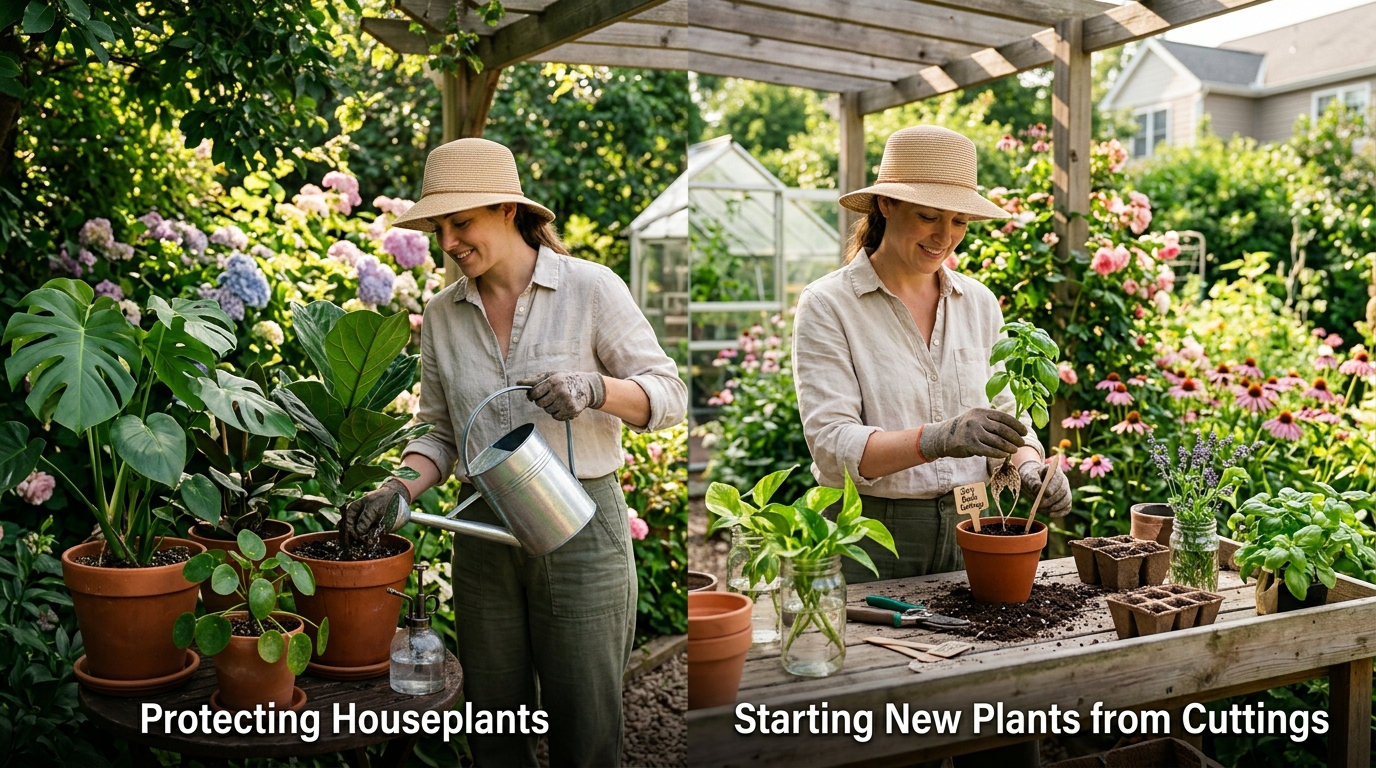
July’s peak summer heat poses serious threats to your houseplants, especially those enjoying outdoor time on balconies and patios. Between intense sun exposure and drying winds, your green friends need consistent attention to survive and thrive. This comprehensive guide walks you through establishing protective daily routines and seizing the perfect propagation window that summer offers.
Key Points:
- Check soil moisture daily and water thoroughly when the top inch feels dry—consistency prevents both drought stress and overwatering
- Create protective microclimates by grouping plants together, which increases humidity and provides mutual shade
- Late afternoon overhead watering minimizes evaporation and reduces leaf scorch risk
- Summer’s warmth accelerates root development, making it ideal for propagating cuttings in moistened perlite or soilless mixes under plastic cover
Why it matters: This is your cornerstone summer care checklist for apartment dwellers and urban gardeners. Rather than overwhelming you with complex schedules, it emphasizes simple daily checks and observation-based watering—the flexible approach that prevents heat-related losses while building a more resilient collection through strategic propagation. These practices work whether you have a sunny windowsill or a shaded balcony, making summer the season to strengthen your plant care confidence.
🔗 Philodendron Care Tips for Thriving Indoor Jungles (5 minute read)
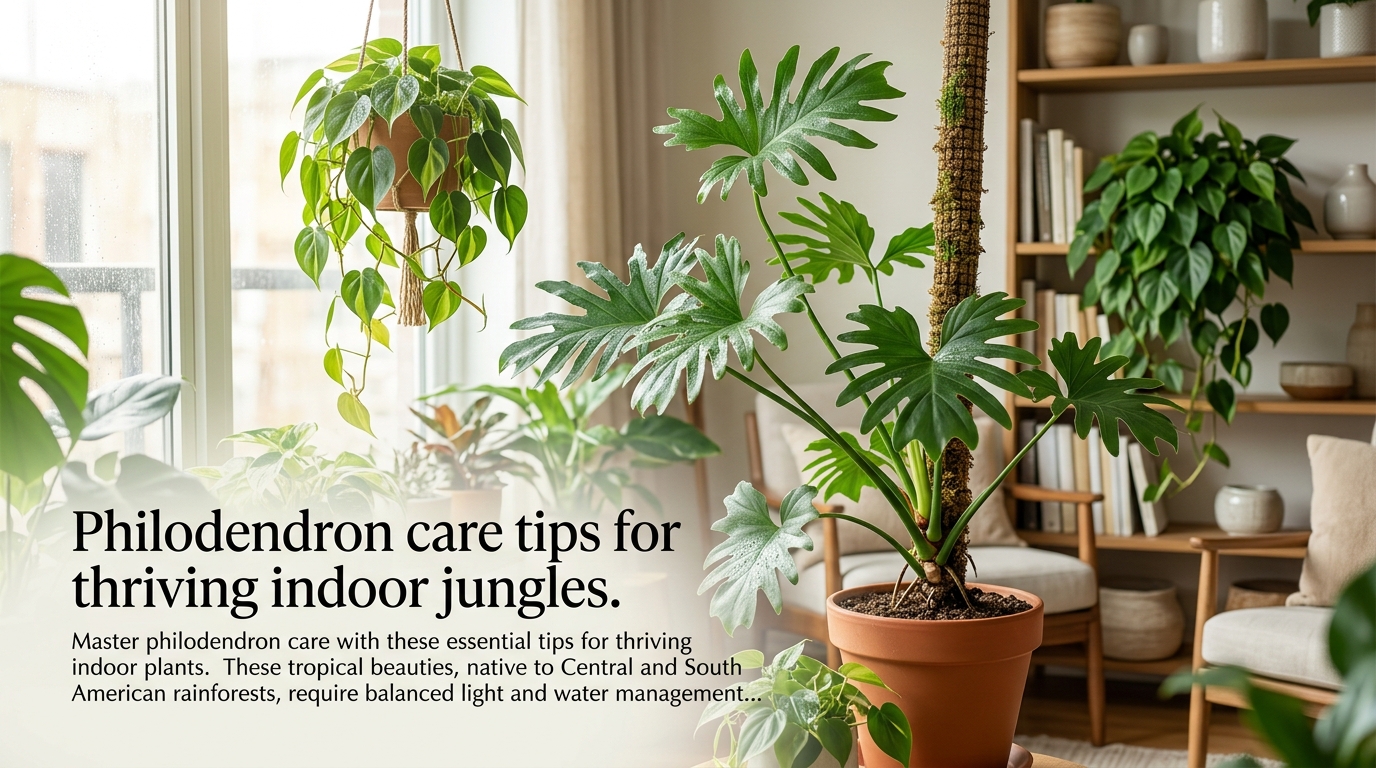
Philodendrons consistently rank among the most recommended starter plants, and for good reason—these tropical beauties from Central and South American rainforests offer stunning foliage with remarkably forgiving care requirements. This detailed guide reveals the secret to philodendron success: understanding their natural habitat and ditching rigid watering schedules in favor of responsive, observation-based care.
Key Points:
- Avoid calendar-based watering schedules entirely—instead, monitor soil moisture levels and water only when needed to prevent root rot
- Position plants in bright, indirect light that mimics their natural dappled forest canopy environment
- Use well-draining, slightly acidic to neutral soil (pH 5.5-7.0) to support healthy root development
- Understanding their epiphytic growth habits—how they naturally climb trees in the wild—helps you replicate ideal indoor conditions
Why it matters: This is the perfect companion piece to our July heat guide, emphasizing the same observation-over-schedule philosophy that works for busy urban gardeners. Philodendrons are ideal for renters seeking reliable, low-maintenance plants that tolerate occasional neglect. By focusing on flexible watering and understanding natural light needs rather than rigid rules, you’ll develop the confidence to read your plants’ signals—a skill that transfers to your entire collection. Perfect for anyone wanting lush greenery without the stress of complicated care routines.
Trending Now
-
Daily Moisture Checks: The finger test for soil moisture is replacing rigid watering schedules—check the top inch of soil daily during summer heat
-
Microclimate Grouping: Clustering plants together creates humidity pockets and mutual shade protection against intense summer sun
-
Late Afternoon Watering: Timing your watering routine for late afternoon minimizes evaporation loss and prevents leaf scorch from water droplets acting as magnifying lenses
-
Summer Propagation Windows: Warm temperatures accelerate root development, making July ideal for taking cuttings and multiplying your collection
Worth Reading
🎯 Understanding Philodendron Light Requirements
Bright, indirect light is the sweet spot for philodendrons—think dappled forest canopy, not direct sun. Position your plants near east or north-facing windows, or use sheer curtains to filter intense southern exposure. This lighting mimics their natural tropical understory habitat and prevents leaf burn while maintaining vibrant growth. (Read more)
🎯 Root Development Under Plastic Cover
Propagating summer cuttings in moistened perlite or soilless mix under plastic cover maintains the high humidity needed for root development. Check weekly for root growth—most cuttings establish strong root systems within several weeks during warm summer months. This simple technique lets you multiply your favorite plants without buying new ones. (Read more)
🎯 Why Philodendrons Forgive Beginners
Philodendrons tolerate occasional watering lapses better than most houseplants thanks to their epiphytic roots adapted to periodic drying in nature. Their forgiving nature makes them perfect starter plants for busy urban gardeners who can’t maintain rigid schedules. Just avoid overwatering—they bounce back from slight drought but struggle with soggy soil. (Read more)
🎯 Soil pH for Healthy Philodendron Roots
Slightly acidic to neutral soil (pH 5.5-7.0) supports robust philodendron root development and nutrient uptake. Use well-draining potting mixes designed for aroids or tropical plants—these typically contain peat, perlite, and bark that provide both drainage and slight acidity. Good soil structure prevents the root rot that plagues many beginner plant parents. (Read more)
What’s your biggest summer houseplant challenge?
- A) Remembering to water consistently
- B) Preventing heat stress and leaf burn
- C) Knowing when to water vs. overwatering
- D) Finding time for plant care routines
This week’s theme of “Summer Care Simplified” centers on a powerful shift: moving from rigid schedules to responsive observation. Whether you’re protecting plants from July heat or mastering philodendron care, the message is consistent—check your plants, read their signals, and respond to what you see rather than what the calendar says.
These practices build confidence and resilience in both you and your collection. Daily moisture checks take seconds, grouping plants creates natural protection, and flexible watering prevents the extremes that stress plants. Plus, summer’s warmth offers bonus propagation opportunities to multiply your favorites. Remember to join our community fun at https://www.plant.bingo for Live Plant BINGO!
Stay cool and keep growing,
The Greenhouse Weekly Editor
📊 How did you like today’s email?
Enjoyed this issue?
Subscribe to get The Greenhouse Weekly delivered to your inbox every week.
Join 17709 other subscribers • Free forever