
Even 'Unkillable' Plants Die—Here's Why
The truth about those "low-maintenance" plants on your windowsill
|
The Greenhouse Weekly Digest
Welcome to your weekly dose of indoor gardening wisdom! This week, we’re tackling the truth about “unkillable” plants, exploring how LED technology is revolutionizing home growing, and sharing natural air-purifying solutions that won’t break the bank.
“The glory of gardening: hands in the dirt, head in the sun, heart with nature. To nurture a garden is to feed not just the body, but the soul.”
— Alfred Austin, Poet Laureate
Today’s Themes
- 🌱 Why even “unkillable” houseplants die (and how to actually keep them alive)
- 💡 How LED grow lights are making year-round indoor gardening accessible to everyone
- 🌿 Natural air purifiers: low-maintenance plants that clean your indoor air
- 🎮 Don’t miss our Live Plant BINGO at https://www.plant.bingo for some green-thumbed fun!
🔗 Indoor Gardening for Beginners: A Complete Guide to Growing Plants Indoors in 2026 (5 minute read)

Indoor gardening has exploded into North America’s hottest home trend, and modern technology has finally eliminated the biggest barrier that once stopped aspiring plant parents: insufficient natural light. With LED grow light systems now affordable and beginner-friendly plants like pothos, snake plants, and herbs requiring minimal effort, year-round cultivation has become accessible to everyone—whether you’re in a studio apartment or a spacious house.
Key Points:
- Full spectrum LED grow lights mimic natural sunlight, boosting plant growth while reducing energy costs compared to older lighting systems
- The setup is surprisingly simple: quality soil, proper containers, LED lights, and consistent care are all you need to get started
- Smart sensors and automated systems are emerging, making indoor gardening even more foolproof for busy urban dwellers
Why it matters: This is the indoor gardening revolution we’ve been waiting for. LED technology has transformed what was once an expensive, space-intensive hobby into an accessible solution for apartment dwellers and beginners. If you’ve been hesitating to start your indoor garden because you lack sunny windows or worry about complexity, 2026 is your year—the technology and plant selection have never been more beginner-friendly.
🔗 Thousands of plant owners confess they keep killing the ‘unkillable’ houseplants (4 minute read)

You’re not alone—and you’re not a terrible plant parent. A viral Reddit thread in r/houseplants asking “Which easy plant have you killed?” garnered over 14,000 upvotes and 1,000+ confessional comments from gardeners admitting to killing snake plants, pothos, aloe vera, spider plants, and even the supposedly indestructible ZZ plants. The culprits? Overwatering and insufficient light, two indoor conditions that challenge even the hardiest varieties.
Key Points:
- The most commonly killed “unkillable” plants include snake plants, pothos, aloe vera, spider plants, mint, ZZ plants, and succulents
- Experienced gardeners suggest distinguishing between plants that merely “survive” versus those that truly “thrive” in your specific conditions
- The thread provides reassurance and practical wisdom: struggling doesn’t mean you should give up, as gardening offers proven mental and physical health benefits worth pursuing
Why it matters: This viral confession session does something powerful—it normalizes failure and builds confidence. If thousands of plant parents are struggling with the same “easy” plants, the problem isn’t you; it’s understanding the nuanced difference between survival and thriving conditions. The core lesson here is foundational: even beginner plants need proper light assessment and watering discipline, and learning those skills is part of every plant parent’s journey.
🔗 5 indoor plants for dusty cities that help improve air quality naturally (8 minute read)
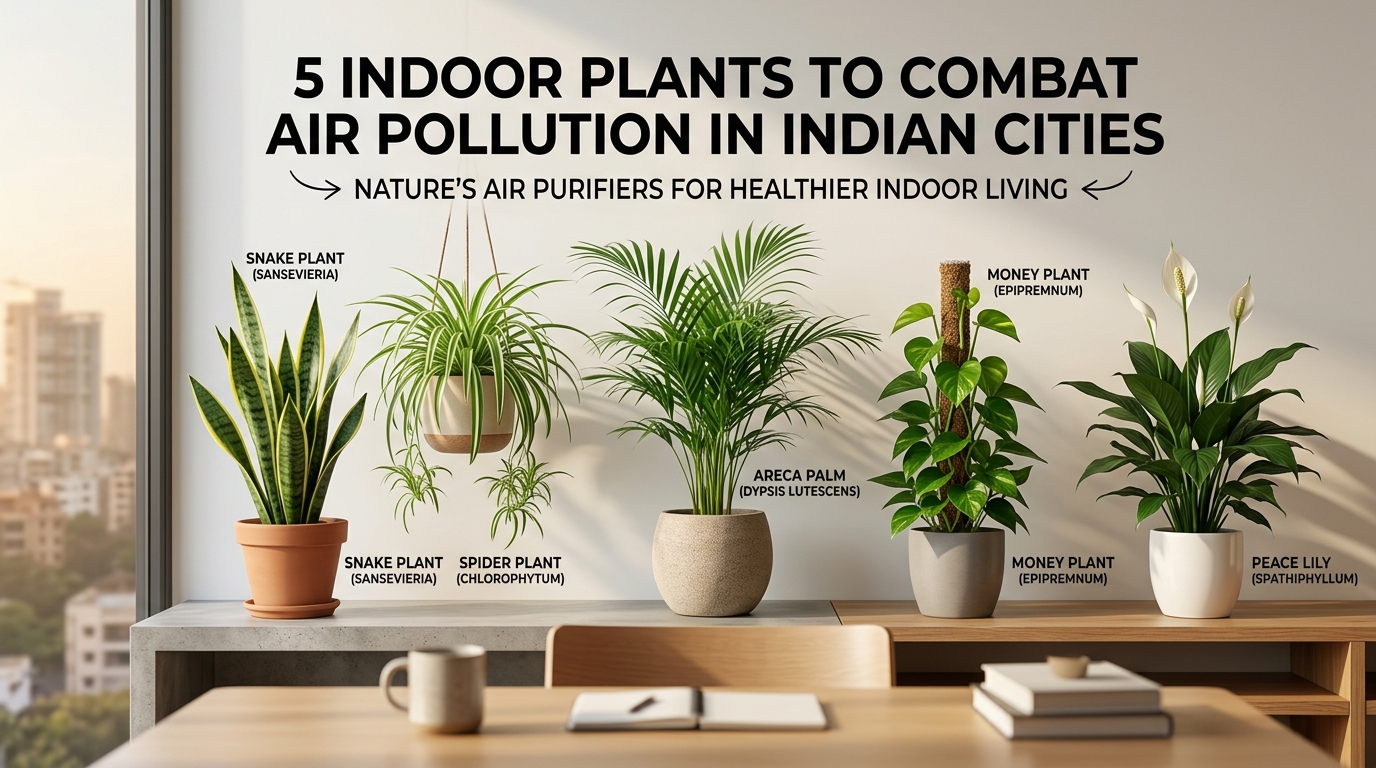
Indoor air pollution is a growing concern for urban dwellers, and expensive air purifiers aren’t the only solution. This comprehensive guide highlights five low-maintenance indoor plants that naturally combat dust and improve air quality while enhancing your home’s aesthetics: Spider Plants, Areca Palms, Snake Plants, Rubber Plants, and English Ivy.
Key Points:
- Spider Plants remove formaldehyde and xylene; Snake Plants release oxygen at night while trapping benzene; Rubber Plants capture particulate matter
- Areca Palms release moisture into dry indoor air while filtering pollutants, making them ideal for climate-controlled apartments
- Regular maintenance like gentle leaf wiping and misting ensures these natural air purifiers work effectively
Why it matters: For apartment dwellers and urban plant parents, this is the dual-benefit sweet spot: plants that beautify your space while actively improving the air you breathe. These five species offer affordable entry points for new plant parents who want functional greenery, and the maintenance requirements are minimal enough for busy schedules. It’s a perfect example of how thoughtful plant selection can solve real quality-of-life issues in modern urban spaces.
Trending Now
-
LED Grow Light Systems: Full spectrum lights that mimic natural sunlight are becoming more affordable and energy-efficient, making year-round indoor gardening accessible even in windowless spaces
-
The “Survive vs. Thrive” Framework: Experienced plant parents are shifting the conversation from “easy plants” to understanding which plants will genuinely flourish in your specific light and humidity conditions
-
Natural Air Purification: Snake Plants, Spider Plants, and Rubber Plants are trending as functional décor that actively removes toxins and particulate matter from indoor air
Worth Reading
🎯 Why Your “Unkillable” Snake Plant Actually Died
The viral Reddit confessional reveals the two biggest killers of supposedly indestructible houseplants: overwatering (root rot is real!) and insufficient light. Even low-light tolerant plants need some light to thrive, and “water when dry” means something different for each plant species. (Read more)
🎯 Smart Sensors Are Coming to Indoor Gardens
Automated systems that monitor soil moisture, light levels, and humidity are emerging as game-changers for beginner plant parents. These affordable devices take the guesswork out of care routines, making indoor gardening more accessible to busy urban dwellers. (Read more)
🎯 The Best Beginner Plants for Apartments
Pothos, snake plants, and culinary herbs top the list of beginner-friendly indoor plants that thrive with minimal effort. These varieties tolerate inconsistent watering schedules and lower light conditions better than most, making them perfect first plants for new indoor gardeners. (Read more)
🎯 How to Actually Assess Your Indoor Light Conditions
“Low light tolerant” doesn’t mean “no light.” Understanding the difference between bright indirect light, medium light, and true low light is crucial for plant selection. Even north-facing windows provide more light than you might think, while that dark corner might need supplemental LED lighting. (Read more)
🎯 Plants That Work Double Duty: Beauty and Air Purification
Areca Palms, English Ivy, and Rubber Plants don’t just look good—they actively remove formaldehyde, benzene, and particulate matter from indoor air. Regular leaf maintenance (gentle wiping and misting) keeps these natural air purifiers working at peak efficiency. (Read more)
Plant Care Fundamentals: The Two Skills Every Beginner Needs
After analyzing thousands of plant parent confessions and expert guidance, two fundamental skills emerge as non-negotiable for indoor gardening success: light assessment and watering discipline. Let’s break down why these matter more than any “unkillable plant” list.
Light assessment means honestly evaluating your space. That Instagram-perfect dark corner might look aesthetically pleasing, but most plants marketed as “low light tolerant” still need indirect bright light to thrive—not just survive. Use the shadow test: hold your hand 12 inches above where you plan to place a plant at midday. A sharp, defined shadow means bright light; a soft, fuzzy shadow indicates medium light; barely any shadow signals true low light. Even “easy” plants like pothos and snake plants will languish in genuinely dark spaces without supplemental LED lighting.
Watering discipline is about resisting the urge to over-care. More houseplants die from overwatering than underwatering, because soggy soil leads to root rot—a death sentence most beginners don’t recognize until it’s too late. The “stick your finger in the soil” method works: if the top inch feels dry, it’s time to water most common houseplants. But here’s the key—different plants have different thresholds. Succulents want bone-dry soil between waterings; ferns prefer consistent moisture. Learning your specific plants’ preferences matters more than following a rigid schedule.
Master these two skills, and you’ll find that “unkillable” plants actually live up to their reputation. Skip them, and even the hardiest varieties will struggle. The good news? Both skills improve quickly with practice and observation.
What’s your biggest indoor gardening challenge right now?
- A) Finding enough natural light in my space
- B) Figuring out the right watering schedule
- C) Choosing the right beginner plants
- D) Managing humidity in dry indoor air
This week’s issue highlights an important truth: indoor gardening success isn’t about finding mythical “unkillable” plants—it’s about understanding the fundamentals of light and water that apply to every green thing you bring into your home. The technology is getting better (hello, affordable LED grow lights!), the plant selection is more beginner-friendly than ever, and the community of fellow plant parents is larger and more supportive than you might think.
Whether you’re just starting your first indoor garden or recovering from a string of plant casualties, remember that every experienced plant parent has killed their share of “easy” plants. The difference is they learned from it, adjusted their care routines, and kept growing. Your indoor jungle awaits—and don’t forget to join us for some fun at our Live Plant BINGO at https://www.plant.bingo!
Keep growing,
The Greenhouse Weekly Editor
📊 How did you like today’s email?
Enjoyed this issue?
Subscribe to get The Greenhouse Weekly delivered to your inbox every week.
Join 17709 other subscribers • Free forever