
Grow Better: The ATS Truth That's Shocking Everyone

|
The Greenhouse Weekly Digest
Welcome to this week’s edition! We’re exploring some fascinating insights into how technology is reshaping both job hunting and indoor growing—plus practical tips for creating your perfect bedroom garden oasis.
“The best time to plant a tree was 20 years ago. The second best time is now.”
— Chinese Proverb
Today’s Themes
- 🌱 How AI screening systems work (and what it means for plant industry job seekers)
- 🥬 Quick guide to growing microgreens at home for fresh, nutrient-dense greens
- 🛏️ Creating the perfect bedroom plant sanctuary with expert community advice
- 💡 Indoor gardening innovations and trending techniques
🔗 After his partner was rejected from 20 jobs a week, man tests ATS, results shock many - here’s what he found (9 minute read)
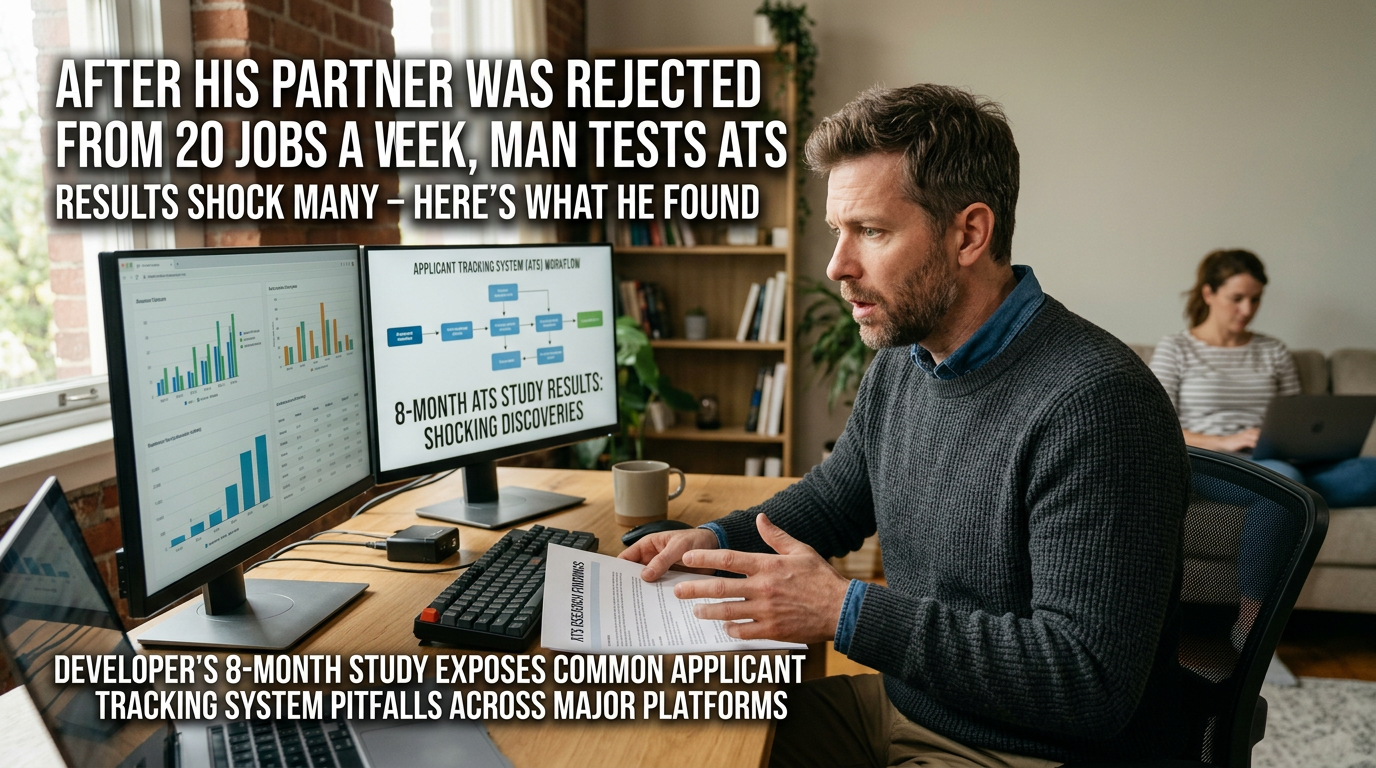
A developer spent eight months investigating why his partner received zero responses despite submitting 15-20 job applications weekly. His findings reveal a shocking truth: most resumes aren’t being rejected by humans—they’re never seen at all. Applicant Tracking Systems (ATS) now screen 83% of applications, functioning like search engines that hunt for exact keyword matches rather than evaluating actual qualifications.
Key Points:
- Resumes with exact job title matches received 10.6x more callbacks than those with similar but different titles
- Simple, single-column .docx formatting dramatically outperforms creative designs and two-column layouts that confuse ATS algorithms
- Including 25-35 relevant keywords optimizes visibility, while only 2-3% of applications typically lead to interviews due to technical formatting mistakes
- The study tested major ATS platforms including Greenhouse, Lever, and Workday, revealing consistent patterns across all systems
Why it matters: For those seeking positions in horticulture, greenhouse management, or indoor plant retail, understanding ATS optimization is crucial. Whether you’re applying to be a greenhouse technician, indoor garden specialist, or plant nursery manager, your resume needs to speak the language of both humans and algorithms. This research provides actionable steps to ensure your qualifications actually reach hiring managers in our growing industry.
Trending Now
-
Growing Microgreens at Home: Indoor gardeners are discovering the joy of cultivating nutrient-dense microgreens on windowsills and under grow lights, providing fresh greens year-round with minimal space requirements
-
Bedroom Garden Planning: Community discussions around creating dedicated bedroom plant spaces are heating up, with growers sharing advice on low-light tolerant species and air-purifying varieties perfect for sleeping spaces
Worth Reading
🎯 Microgreens Made Simple: Your Indoor Superfood Garden
Growing microgreens at home has become one of the most accessible entry points into indoor gardening. These nutrient-packed seedlings require minimal equipment—just trays, growing medium, seeds, and a sunny window or basic grow light. Within 7-14 days, you can harvest fresh greens that pack significantly more nutrients than their mature counterparts. (Read more)
🎯 Designing Your Dream Bedroom Garden
The indoor gardening community is actively sharing strategies for incorporating plants into bedroom spaces. Key considerations include selecting low-maintenance varieties that thrive in lower light conditions, choosing plants known for air purification properties, and balancing aesthetics with practical care requirements. Popular recommendations include snake plants, pothos, and peace lilies for their resilience and air-cleaning abilities. (Read more)
Indoor Gardening Insight: Optimizing Your Growing Resume
Just as plants need the right conditions to thrive, your career in the indoor gardening industry needs proper positioning to grow. The ATS research reveals a powerful parallel: both plants and professional opportunities require systematic approaches to succeed.
When applying for positions in greenhouses, nurseries, or horticultural businesses, treat your resume like you would a growing plan. Use exact terminology from job postings—“greenhouse technician” rather than “plant care specialist” if that’s what the listing says. Include specific keywords like “hydroponic systems,” “IPM protocols,” “climate control,” or “propagation techniques” that ATS systems scan for.
Think of your resume formatting like plant spacing—clean, organized, and optimized for growth. Just as overcrowded plants compete for resources, cluttered two-column resumes confuse scanning systems. A simple, single-column format in .docx allows your qualifications to breathe and be properly recognized, giving your application the best chance to reach the hiring manager who will appreciate your green thumb expertise.
What’s your biggest indoor gardening challenge right now?
- A) Finding time for consistent plant care
- B) Dealing with pests or diseases
- C) Choosing the right plants for my space
- D) Managing light and humidity levels
This week brought fascinating insights into how systems—whether digital or botanical—require understanding and optimization to flourish. From ATS algorithms to microgreen trays, success comes from working with the system rather than against it.
As we head into a new growing week, remember that both your plants and your career benefit from attention to detail, proper positioning, and consistent care. Whether you’re cultivating seedlings or opportunities, the fundamentals remain the same.
Keep growing,
The Greenhouse Weekly Editor
📊 How did you like today’s email?
Enjoyed this issue?
Subscribe to get The Greenhouse Weekly delivered to your inbox every week.
Join 17709 other subscribers • Free forever