
Is Your Plant Suffocating? Repot It Now 🌱


|
The Greenhouse Weekly Digest
This week, we’re diving into the art of reading your plants’ signals—from root-bound rescues to seasonal care transitions that keep your indoor jungle thriving through spring and into summer. Master these observation habits now, and you’ll prevent problems before they start.
“The best time to repot was last spring. The second best time is right now—when your plant tells you it needs help.”
— Darryl Cheng, Houseplant Expert and Author
Today’s Themes
- 🔍 Master the #1 diagnostic skill every plant parent needs: spotting root-bound plants before they suffer
- 🌱 Spring refresh essentials: repotting, fertilizing, and propagation techniques for March maintenance
- ☀️ Summer prep strategies: adjusting watering schedules, light protection, and pest prevention
- 🛠️ Build weekly observation routines that catch problems early and keep collections thriving year-round
🔗 This Is the #1 Sign Your Houseplant Needs a Bigger Pot (6 minute read)
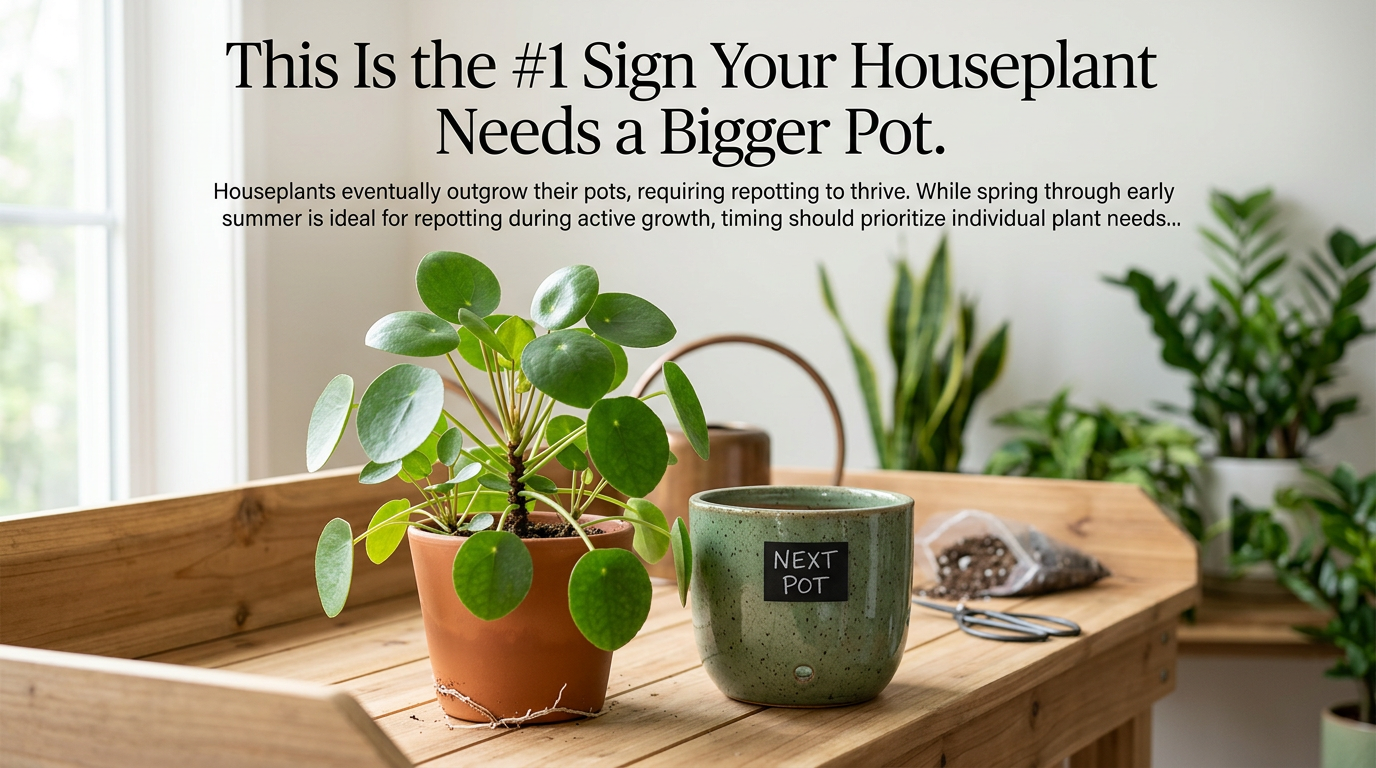
Every houseplant eventually outgrows its container, but knowing exactly when to repot separates thriving collections from struggling ones. While spring through early summer offers ideal timing during active growth phases, expert Darryl Cheng warns that severely root-bound plants need immediate attention regardless of season—waiting could mean permanent damage to your plant’s health.
Key Points:
- Eight diagnostic signs reveal repotting needs: damaged pots, visible roots circling drainage holes, slow-drying or rapidly-drying soil, degraded potting mix, stunted growth, top-heavy plants, and water running straight through without absorption
- Root-bound plants suffer from a triple threat—poor drainage, nutrient depletion, and moisture retention issues that fresh soil immediately resolves
- Timing should prioritize individual plant signals over calendar dates; a severely root-bound specimen in fall needs repotting more urgently than a healthy plant in spring
Why it matters: For urban gardeners working with limited space, diagnosing root-bound conditions is an essential skill that extends plant longevity and reduces waste. Learning to read these signals transforms you from reactive problem-solver to proactive plant parent, while soil refreshment supports sustainable practices by replenishing nutrients naturally. This foundational troubleshooting skill prevents the cascade of issues—yellowing leaves, pest susceptibility, growth stagnation—that often lead beginners to assume their plant is “just dying” when the solution is straightforward.
🔗 ASK A MASTER GARDENER: March Gardening Tips (5 minute read)
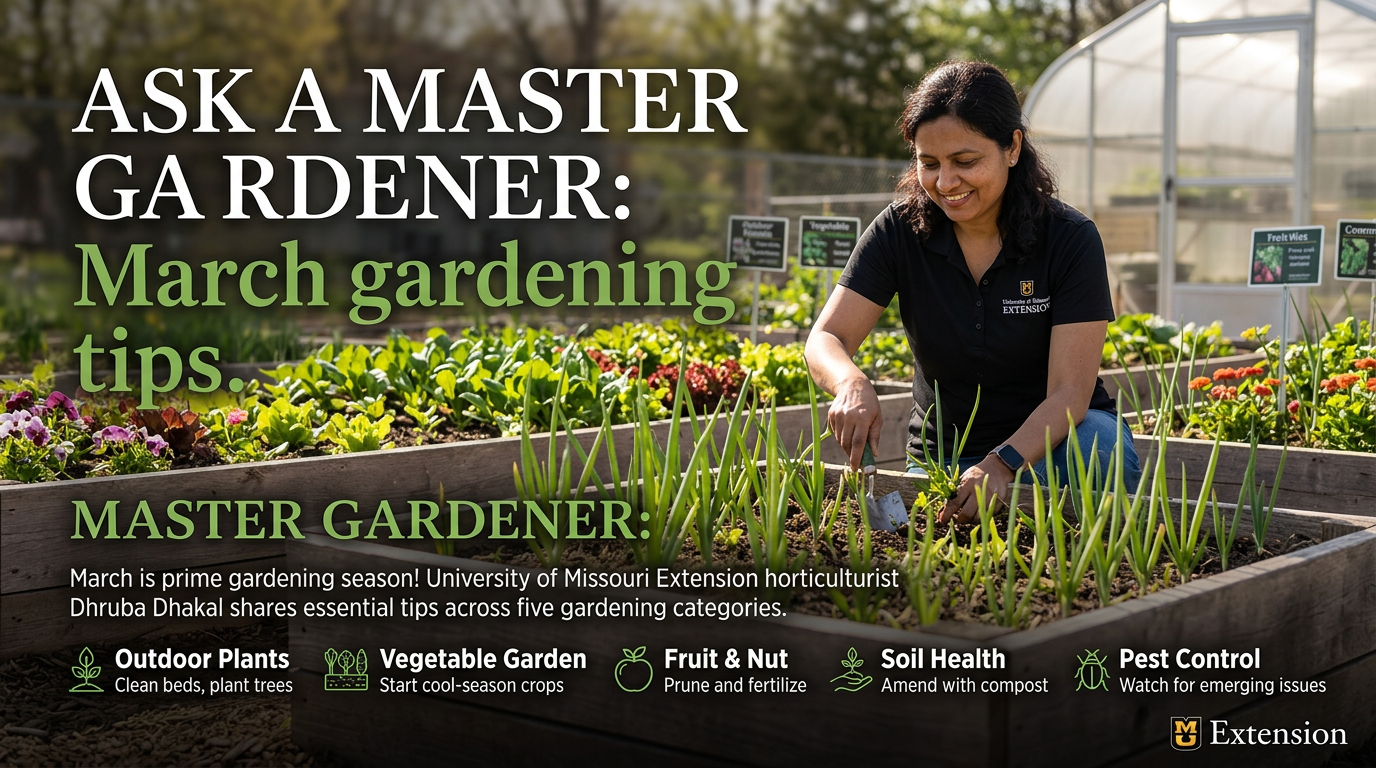
March marks the transition from dormancy to active growth, making it prime time for indoor plant maintenance that sets up success for the entire growing season. University of Missouri Extension horticulturist Dhruba Dhakal shares essential spring refresh actions specifically tailored for houseplant collections, focusing on repotting, fertilization, and propagation techniques that capitalize on plants’ natural growth cycles.
Key Points:
- Repot root-bound specimens now while plants enter active growth phase—they’ll recover faster and establish stronger root systems in fresh soil
- Begin fertilizing as new growth emerges, providing nutrients that support robust spring development after winter dormancy
- Take advantage of vigorous spring growth for propagation through cuttings, creating new plants when success rates are highest
Why it matters: This spring refresh checklist addresses the exact moment when proactive maintenance delivers maximum impact. By syncing your care routine with plants’ biological rhythms, you’re working with nature rather than against it—root-bound plants repotted in March establish themselves before summer stress, while early fertilization fuels the growth surge that defines spring. For apartment dwellers, propagation techniques offer a sustainable way to expand collections without purchasing new plants, and the detailed MU Extension guides provide university-backed expertise accessible to beginners.
🔗 6 Indoor Gardening Tips In Summer (2 minute read)
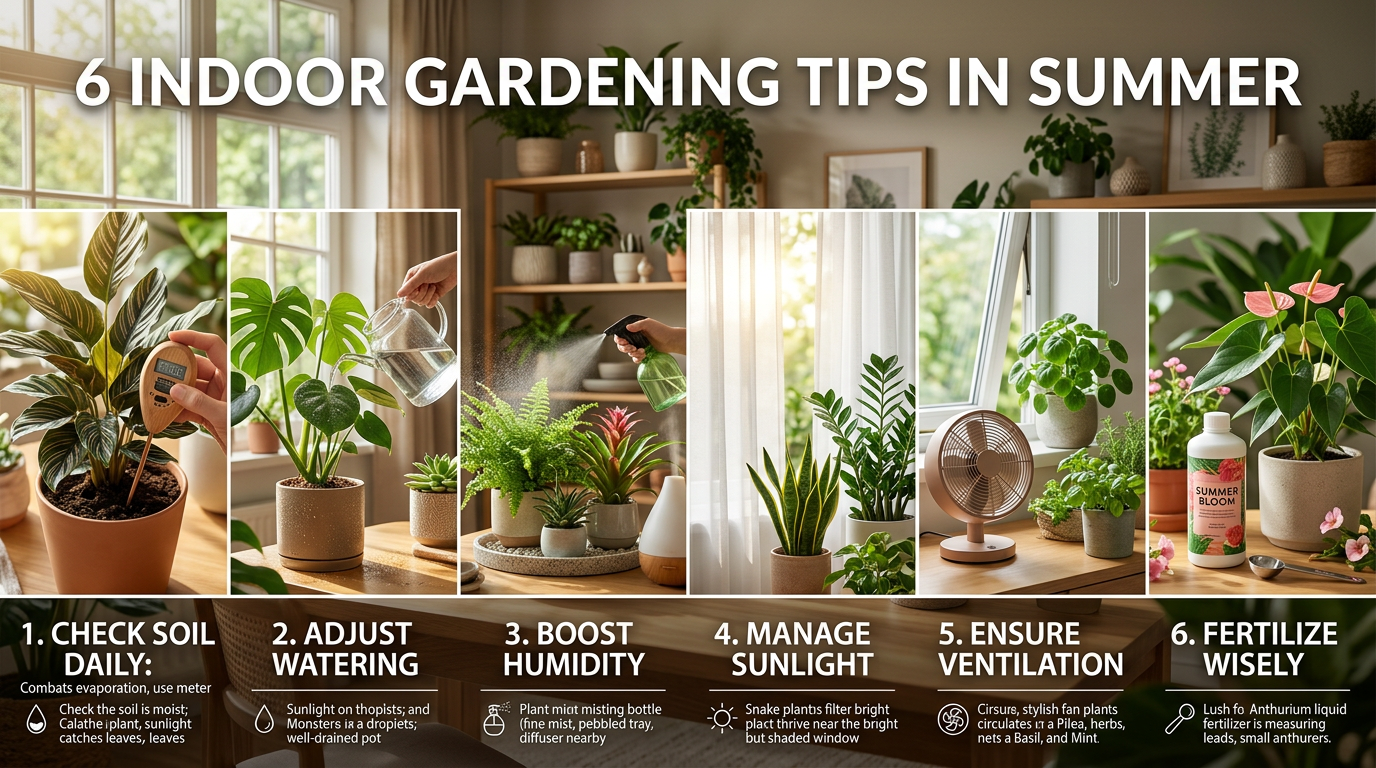
As temperatures climb, your indoor plants face new challenges that require adjusted care routines. This summer survival guide provides six apartment-friendly strategies to protect delicate plants from heat stress, manage faster evaporation rates, and capitalize on peak growing season—all while preventing the pest invasions that thrive in warm conditions.
Key Points:
- Adjust watering schedules by checking soil daily—summer evaporation accelerates drying, requiring more frequent monitoring than spring or fall routines
- Protect plants from harsh sunlight using sheer curtains or strategic repositioning away from hot windows, while maintaining stable temperatures away from AC vents and drafts
- Stay vigilant against summer pests like mealybugs and spider mites through weekly leaf inspections, and rotate plants regularly while repotting into slightly larger containers with fresh soil for even development
Why it matters: Summer represents both opportunity and risk for indoor gardeners—it’s peak growing season when plants can make dramatic progress, but also when environmental stressors and pest populations surge. These proactive weekly maintenance habits prevent the common summer disasters (crispy leaves, spider mite infestations, heat-stressed plants) that derail collections. For sustainability-minded readers, the emphasis on daily soil checks and strategic curtain placement offers low-tech, energy-efficient solutions that don’t rely on expensive equipment or increased energy consumption.
Trending Now
-
Root-Bound Diagnosis Skills: Learning to spot the eight key signs of root-bound plants before they suffer permanent damage—a foundational troubleshooting skill for every plant parent
-
Spring Propagation Techniques: Taking advantage of March’s vigorous growth phase to create new plants from cuttings when success rates are at their peak
-
Summer Pest Prevention: Weekly leaf inspection routines that catch mealybugs and spider mites early, before infestations require aggressive intervention
-
Seasonal Watering Adjustments: Daily soil checks that account for summer’s faster evaporation rates, preventing both drought stress and overwatering complications
Worth Reading
🎯 When Calendar Dates Don’t Matter for Repotting
Expert Darryl Cheng challenges the “only repot in spring” conventional wisdom, emphasizing that severely root-bound plants need immediate attention regardless of season. Delaying repotting until the “right” calendar date can cause permanent damage when plants are already showing multiple distress signals. (Read more)
🎯 Fresh Soil Benefits Beyond Bigger Pots
Repotting isn’t just about giving roots more room—fresh potting mix replenishes depleted nutrients, improves aeration and drainage, and resolves the compaction issues that develop over time. Even plants that don’t need larger containers benefit from soil refreshment every 18-24 months. (Read more)
🎯 Strategic Light Management for Summer
Harsh summer sunlight can scorch delicate foliage even through windows, but simple apartment-friendly solutions like sheer curtains or strategic repositioning protect plants without expensive equipment. The key is maintaining bright indirect light while filtering the intensity that causes leaf burn. (Read more)
🎯 Temperature Stability Matters More Than You Think
Summer temperature fluctuations from AC vents, drafts, and hot windows stress plants more than consistently warm conditions. Maintaining stable temperatures by positioning plants away from these problem zones prevents the shock that triggers leaf drop and slowed growth. (Read more)
🎯 Weekly Rotation for Even Growth
Plants naturally grow toward their light source, creating lopsided development if left stationary. Weekly rotation ensures even growth on all sides, maintains balanced structure, and gives you regular opportunities to inspect for pests and problems during peak growing season. (Read more)
🎯 March Fertilization Timing
Begin fertilizing as new growth emerges in March rather than following calendar dates—plants signal their readiness for nutrients through visible growth. University extension experts recommend balanced water-soluble formulas that support robust spring development after winter dormancy. (Read more)
Question of the Day
What’s your biggest challenge with seasonal plant care transitions?
- A) Knowing when to adjust watering schedules
- B) Recognizing when plants need repotting
- C) Preventing summer pest problems
- D) Timing fertilization correctly
This week’s theme connects three critical moments in your plant care calendar—diagnosing root-bound conditions that demand immediate action, executing spring refresh maintenance that capitalizes on active growth, and preparing for summer challenges before they escalate. The common thread? Learning to read your plants’ signals and respond with timely interventions rather than rigid schedules.
Build these observation habits into your weekly routine now, and you’ll prevent the cascade of problems that overwhelm reactive plant parents. Your plants are always communicating—roots circling drainage holes, soil drying faster than usual, new growth emerging after dormancy. The question is whether you’re watching closely enough to catch these signals early.
Keep growing,
The Greenhouse Weekly Editor
📊 How did you like today’s email?
Enjoyed this issue?
Subscribe to get The Greenhouse Weekly delivered to your inbox every week.
Join 17709 other subscribers • Free forever