
Save Your Dying Plant in 48 Hours (Yes, It's Possible!)
Before you toss that wilting plant, read this rescue guide
|
The Greenhouse Weekly Digest
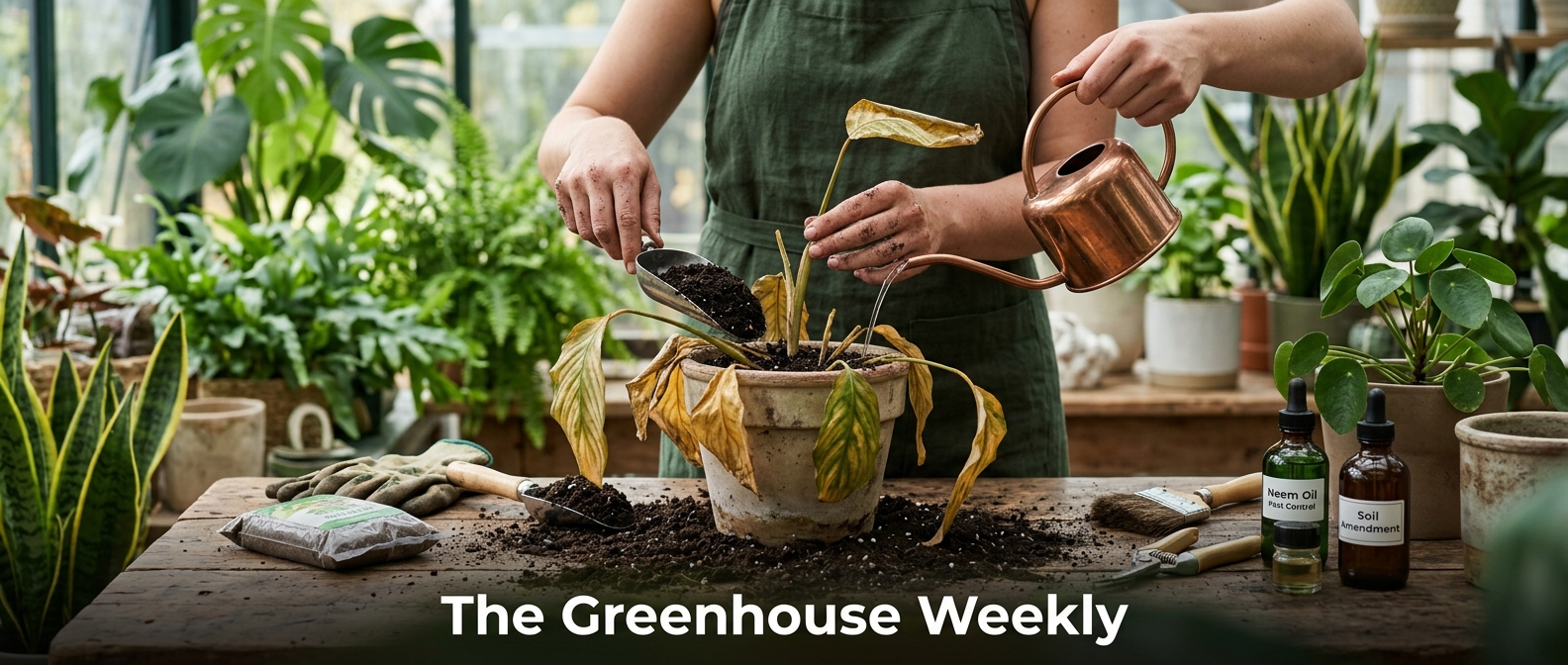
Most struggling plants can be saved—and this week, we’re proving it. From rescuing stressed houseplants to conquering windowless corners, summer transitions, and pest prevention, we’re covering everything you need to keep your indoor garden thriving through the season’s challenges.
“The secret of getting ahead is getting started. The secret of getting started is breaking your complex overwhelming tasks into small manageable tasks, and starting on the first one.”
— Mark Twain
Today’s Themes
- 🌱 Plant detective work: How to save struggling houseplants before it’s too late
- 🏢 No windows? No problem—nine plants that thrive in artificial light
- ☀️ Summer transitions: Moving houseplants outdoors safely (and which should stay inside)
- 🦟 Pest prevention strategies for humid weather and popular houseplants
- 🛠️ Beginner-friendly tools and sustainable supplies that actually work
🔗 Houseplant tips: How to revive an indoor plant that’s stressed or close to death (9 minute read)
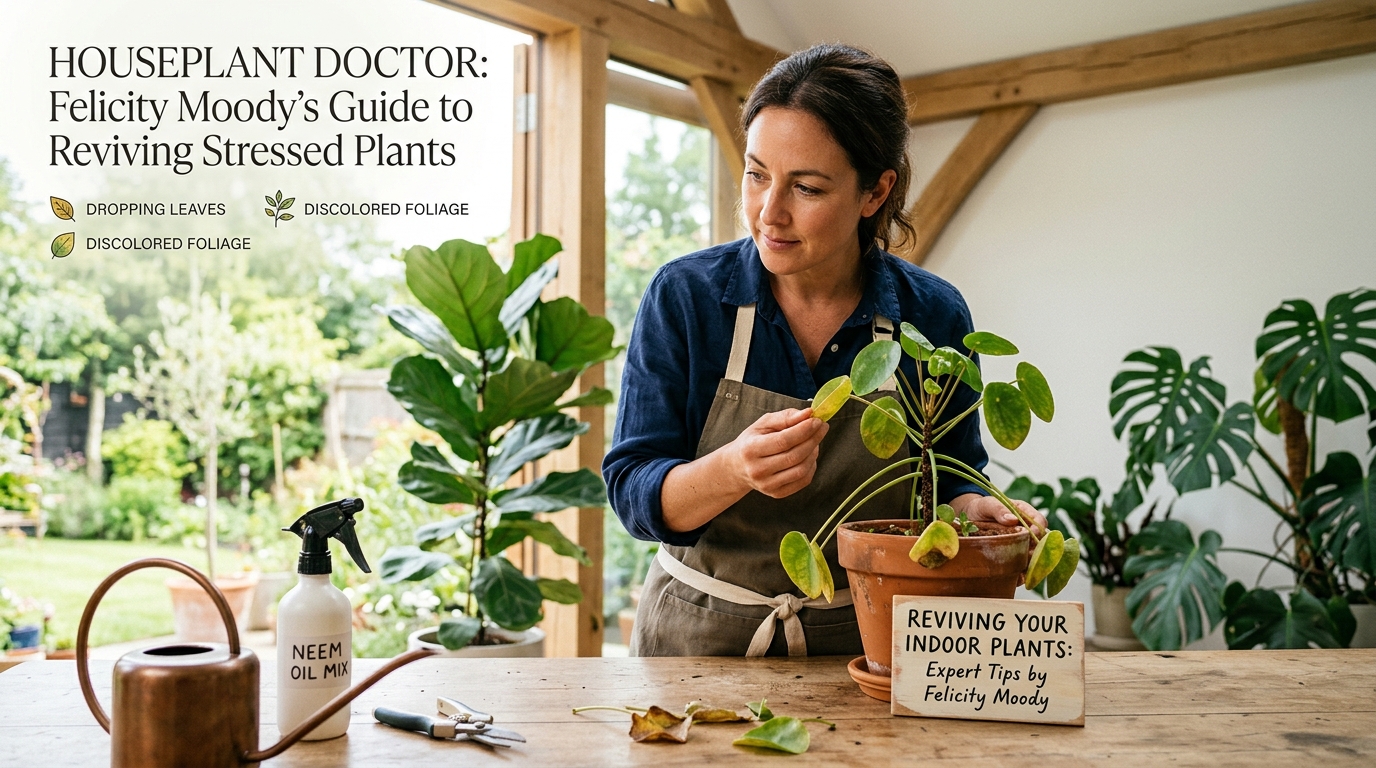
Don’t give up on that struggling houseplant! Expert horticulturist Felicity Moody reveals that most stressed indoor plants can be saved with simple detective work and targeted fixes. The key is identifying warning signs early—leaf dropping, discoloration, and spots—then addressing the two most common culprits: overwatering and insufficient light.
Key Points:
- Check soil moisture before watering (overwatering is the #1 killer) and relocate plants closer to windows for better light exposure
- Avoid unnecessary repotting, which causes transplant shock; instead, fertilize regularly with liquid fertilizer and trim brown leaves to redirect energy
- Be patient—recovery takes weeks or months, but early intervention means stressed plants bounce back faster than those near death
- Keep plants away from cold drafts and air conditioning, which compound stress and slow recovery
Why it matters: Most beginner plant failures aren’t death sentences—they’re fixable problems. This expert troubleshooting guide empowers you to diagnose and solve the most common houseplant issues before reaching for the trash bin. Understanding that overwatering and light deficiency cause 80% of plant stress gives you a clear starting point for revival, transforming plant care from mysterious guesswork into manageable problem-solving.
🔗 9 Houseplants That Flourish in Windowless Rooms, According to Plant Experts (8 minute read)
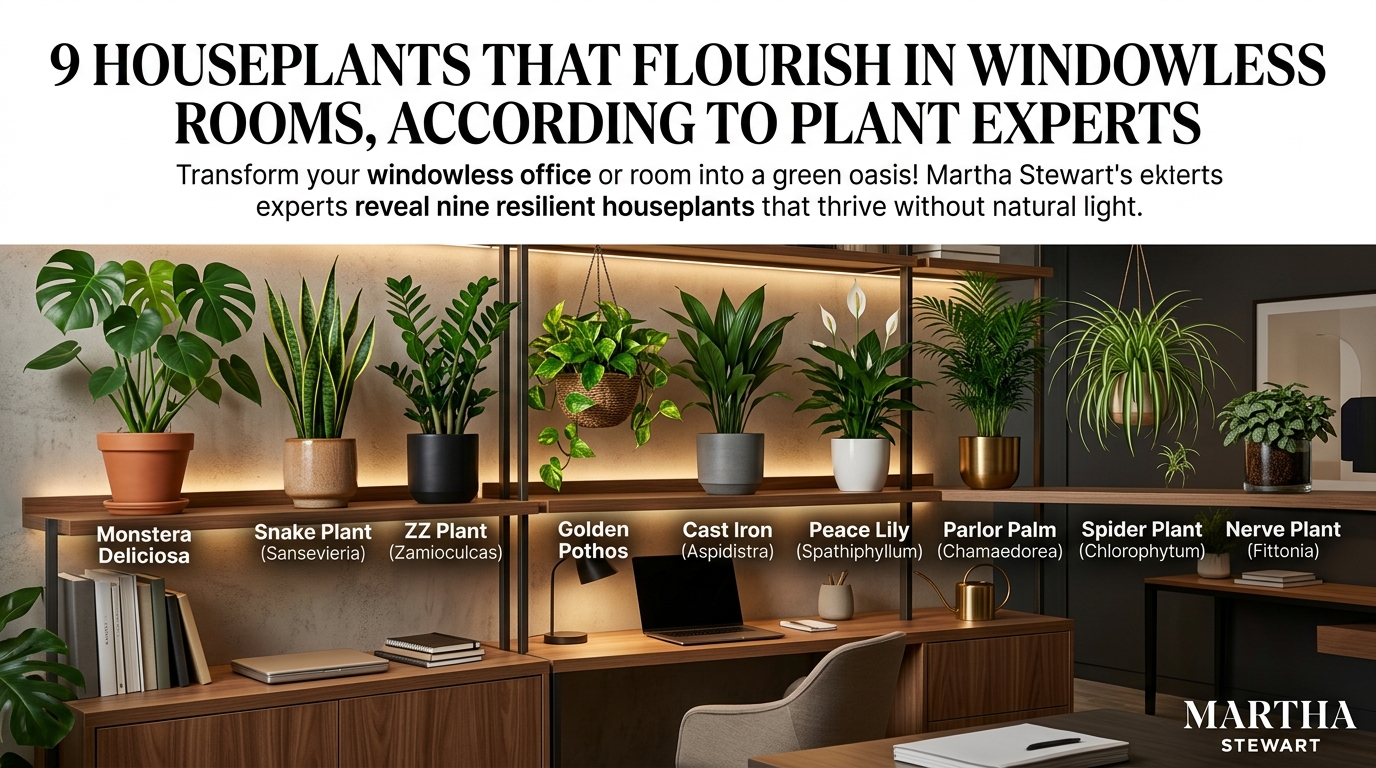
Your windowless office or interior bathroom can become a thriving green oasis! Martha Stewart’s plant experts reveal nine resilient species that adapt beautifully to artificial lighting and low-light conditions, proving that natural sunlight isn’t always necessary for indoor gardening success.
Key Points:
- Snake plants, pothos, and peace lilies are perfect starter options requiring minimal maintenance and thriving under standard office overhead lights
- Trendy Monstera, ultra-hardy ZZ plants, spider plants, and Chinese evergreens add visual interest with unique foliage while tolerating artificial light
- Most office overhead lights provide sufficient illumination for these adaptable species; affordable grow lights can boost results even further
- Bromeliads bring tropical flair, while philodendrons offer versatile growing options for the darkest corners
Why it matters: Urban apartment dwellers and office workers no longer need to sacrifice greenery due to limited natural light. This guide empowers you to transform even the darkest spaces into plant-friendly environments, expanding your indoor gardening possibilities beyond windowsills. With 60% of urban orders now coming from city centers (according to recent industry data), knowing which plants thrive in artificial light is essential for modern indoor gardening.
🔗 Why Are Gardeners Moving Houseplants Outdoors for the Summer? (6 minute read)
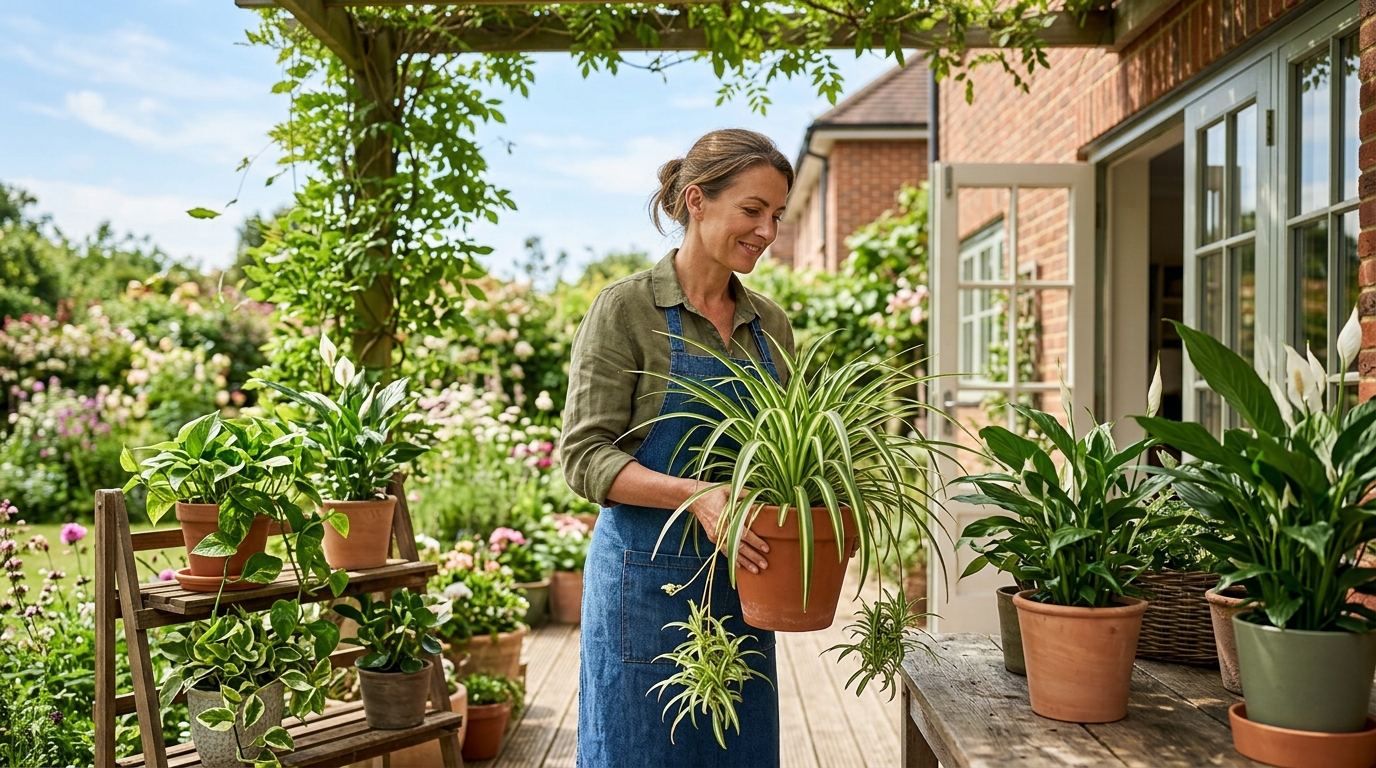
Summer offers your houseplants a transformative outdoor vacation that mimics their natural tropical habitats. Moving spider plants, pothos, and peace lilies outside provides brighter light, fresh air, and higher humidity—conditions that strengthen stems and encourage vibrant growth. But success requires careful planning to avoid disaster.
Key Points:
- Gradually acclimate plants to outdoor sunlight over one to two weeks to prevent leaf burn; sudden exposure causes irreversible damage
- Monitor closely for pests like aphids and spider mites, and protect from heavy rain and strong winds that can damage foliage
- Not all plants benefit equally—low-light species and those sensitive to temperature fluctuations should stay indoors for the summer
- Increase watering frequency during active outdoor growth, apply balanced fertilizer regularly, and inspect thoroughly before bringing plants back inside in autumn
Why it matters: While outdoor summer transitions can supercharge houseplant growth, improper acclimation destroys more plants than it helps. This step-by-step guide ensures you reap the benefits of natural conditions while avoiding common mistakes like sunburn and pest infestations. Understanding which plants should stay inside protects your low-light specialists from unnecessary stress during their growing season.
Trending Now
- Get Your Free Shopping Coupon: Combat fungus gnats, thrips, and fruit flies with dramatic visible results—affordable pest control that actually works…You’re not alone—city dwellers worldwide are embracing indoor plants for mental wellness…Come join Jonny and Ask Him Anything!
💚 A little thank-you for my fellow plant lovers…
I’ve hidden a FREE shop coupon for anyone who follows me on TikTok. 🌿
If you love rare plants, propagation tips, and seeing what’s coming to the shop next, you’re going to love it.
[👉 Click here to follow, claim your coupon, and check out the shop:]
Worth Reading
🎯 What to Do with Dead Houseplants: Composting Basics
Dead houseplants, herbs, and faded cut flowers can be composted (remove plastic pots first). Many municipal composting programs also accept human and pet hair, untreated wooden plant labels, natural cork, and sawdust from untreated wood. However, avoid composting soil, which doesn’t break down like organic matter and adds unnecessary weight. Always check your local composting guidelines for specific rules. (Read more)
This week’s coverage moved from immediate problem-solving (reviving stressed plants) to expanding your possibilities (windowless spaces and outdoor transitions) to building long-term success with the right tools and sustainable practices. The common thread? Most indoor plant challenges have simple, actionable solutions once you understand the underlying causes.
Whether you’re troubleshooting a struggling pothos, planning your first outdoor summer vacation for houseplants, or finally greening up that windowless home office, remember that patience and observation are your greatest assets. Early intervention, gradual changes, and consistent weekly maintenance prevent most problems before they become crises.
Don’t forget to check out our Live Plant BINGO at https://www.plant.bingo for a fun way to discover new species and connect with fellow plant enthusiasts!
Happy growing,
The Greenhouse Weekly Editor
📊 How did you like today’s email?
Unsubscribe |(https://news.plantonio.com/unsubscribe?report_spam=true)
Enjoyed this issue?
Subscribe to get The Greenhouse Weekly delivered to your inbox every week.
Join 17709 other subscribers • Free forever