
Save Your Snake Plant (Yellow Leaves Begone!)
Plus low-maintenance plants that actually survive neglect (we tested them)

|
The Greenhouse Weekly Digest
Welcome back, plant friends! This week we’re tackling the questions that keep showing up in our inboxes: Why is my snake plant turning yellow? Which plants can actually survive my apartment? And does pot size really matter? Let’s dig into the answers that’ll help your indoor jungle thrive.
“The key to successful indoor gardening is choosing plants suited to your actual conditions, not the conditions you wish you had.”
— Mackenzie Davis, Houseplant Expert at Berns Garden Center
Today’s Themes
- 🚨 Snake plant SOS: Nine reasons those leaves are yellowing (and the fixes that actually work)
- 🌱 Small space solutions: From dorm rooms to studio apartments, plants that thrive where you live
- 🔬 Science-backed basics: Pot sizing, watering systems, and air-purifying plants explained
- 🛠️ Tools worth knowing: Low-tech solutions for the overwatering problem
- 🎯 Quick wins: Beginner-friendly plants you can order online today
🔗 9 Reasons Your Snake Plant’s Leaves Are Turning Yellow—And What To Do About It (10 minute read)
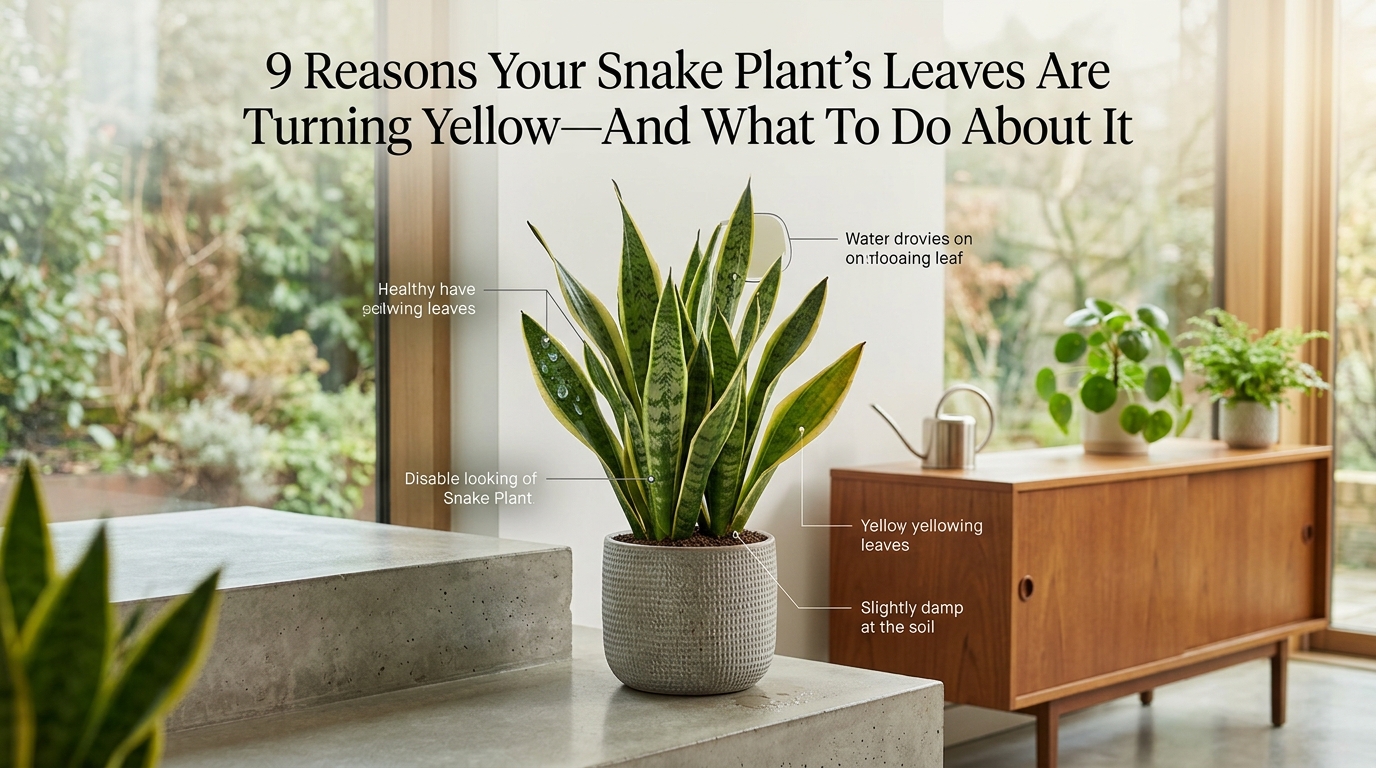
Yellow snake plant leaves aren’t a death sentence—they’re a diagnostic tool. Expert horticulturists have identified nine specific culprits behind this common problem, and most are surprisingly easy to fix. The biggest myth? That snake plants thrive in low light. They actually need bright, indirect light to stay healthy and vibrant green.
Key Points:
- Inconsistent or excessive watering tops the list—let soil dry completely between waterings and ensure your pot has drainage holes
- Root rot is fixable: remove affected roots, repot in well-draining soil amended with pumice, and adjust your watering schedule
- Contrary to popular advice, snake plants need bright light (not low light) and stable temperatures to prevent stress-related yellowing
- Yellow leaves won’t recover, so remove them promptly and focus on preventing new damage
- Regular pest checks and appropriate fertilizing during growing seasons keep plants resilient
Why it matters: This is your troubleshooting corner in action. Snake plants are marketed as indestructible beginner plants, which sets up unrealistic expectations. Understanding that they actually need bright light and infrequent watering—not neglect—corrects outdated advice that’s been circulating for years. If you’ve been blaming yourself for killing “easy” plants, this guide proves it’s often about having the right information, not having a green thumb.
🔗 11 Hard-to-Kill Houseplants You Can Order Online (and Exactly Where to Buy Them) (6 minute read)
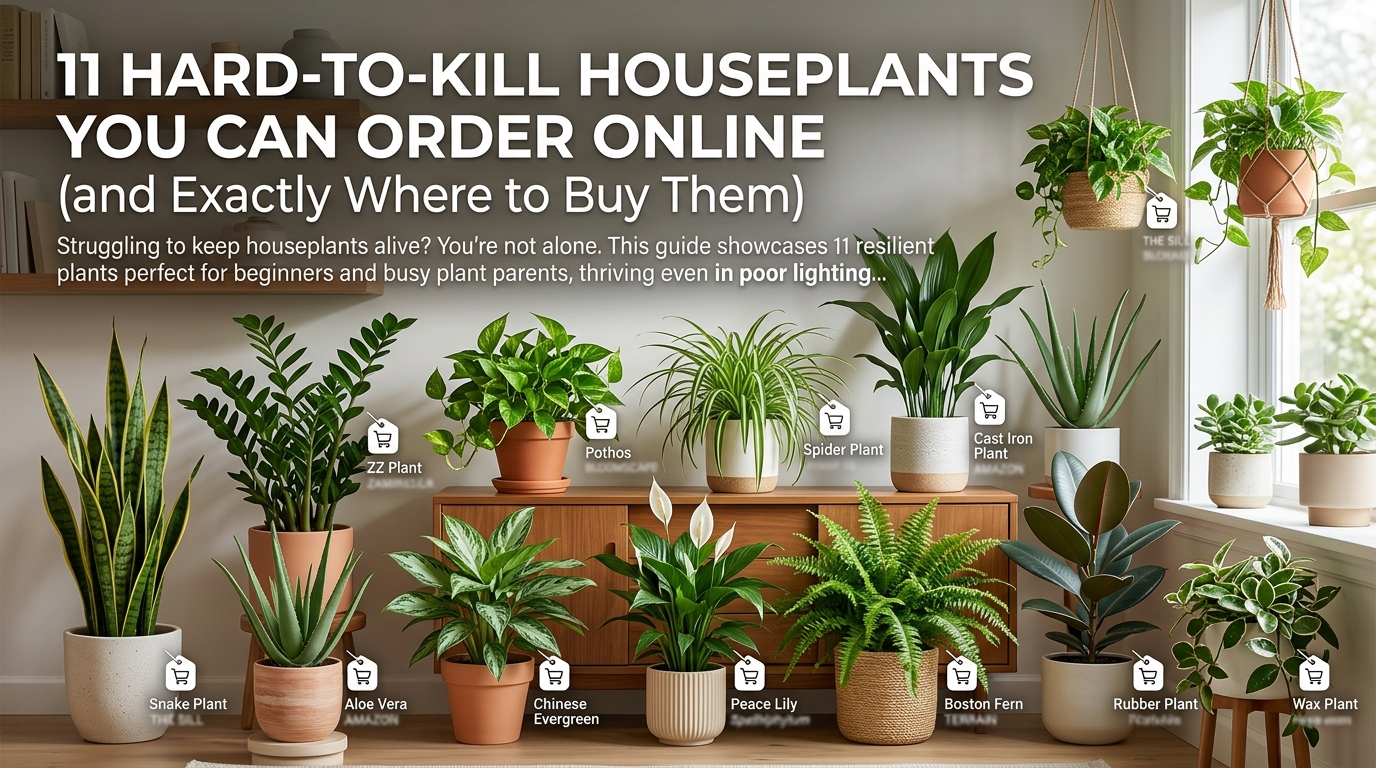
If you’ve convinced yourself you can’t keep plants alive, this beginner’s survival guide is here to change your mind. These 11 resilient houseplants thrive in poor lighting and tolerate infrequent watering—perfect for busy urban dwellers or anyone without access to bright windows.
Key Points:
- Snake Plant ($23.99 at Lowe’s) survives neglect, improves air quality, and tolerates low light despite what we just learned about preferring brighter conditions
- ZZ Plant ($37 at Walmart) is genuinely drought-tolerant and thrives in low light, making it ideal for interior rooms and offices
- Golden Pothos ($17.92 at Home Depot) is a versatile vining plant that adapts to various light conditions and forgives watering mistakes
- All featured plants can be ordered online and shipped directly to your door—no garden center trip required
- The guide includes direct shopping links for each plant, removing the guesswork from purchasing
Why it matters: For apartment dwellers and urban gardeners, the convenience factor is huge. You don’t need a car to visit a nursery or the ability to transport large plants on public transit. This guide acknowledges the reality of modern plant shopping and focuses specifically on species that tolerate the challenging conditions of apartment living: limited natural light, inconsistent watering schedules, and smaller spaces. It’s proof that living greenery doesn’t require expert skills—just the right plant selection. And don’t forget to check out our Live Plant BINGO at https://www.plant.bingo for more fun ways to expand your collection!
🔗 Gardening in Your Dorm: The Best Plants to Keep in Your Small Space (9 minute read)
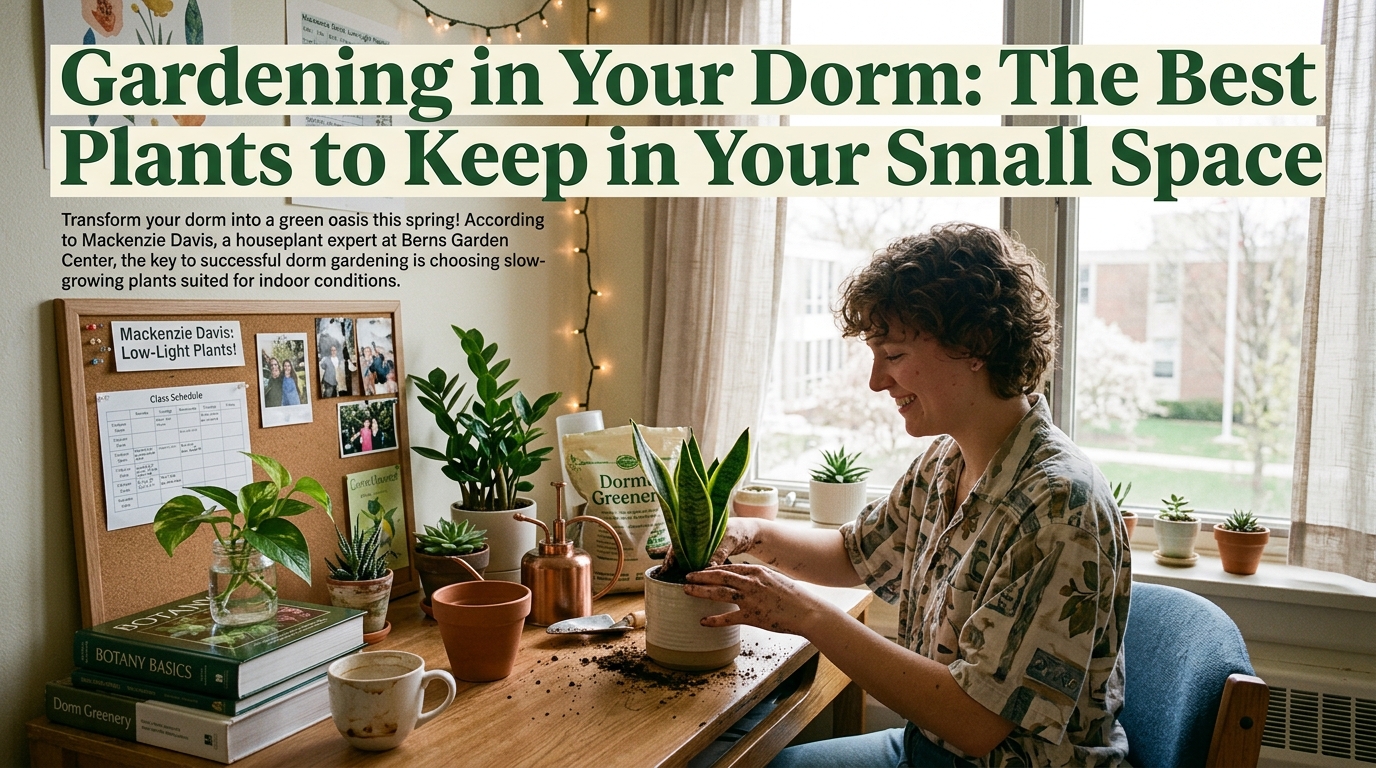
Small spaces demand smart plant choices. Mackenzie Davis from Berns Garden Center shares expert picks for dorm rooms that translate perfectly to studio apartments, tiny homes, and any space where square footage is precious. The secret? Choosing slow-growing plants suited to limited light conditions.
Key Points:
- ZZ plants are nearly indestructible and perfect for rooms with minimal natural light, though they’re toxic to pets
- Air plants require zero soil and minimal space—just occasional misting and bright, indirect light
- African violets and peace lilies add color and blooms to small spaces with specific care requirements like bottom-watering techniques
- Bottom-watering (placing pots in water-filled trays) prevents overwatering and promotes healthier root systems
- Pet owners must research toxicity: ZZ plants, Ginseng Ficus, and peace lilies are all toxic to cats and dogs
Why it matters: This is small-space problem-solving at its best. The focus on slow-growing plants addresses the reality that you can’t constantly repot and upsize in a 200-square-foot room. Learning bottom-watering techniques now prevents the overwatering mistakes that kill more houseplants than anything else. And the pet safety warnings are critical—too many beginner guides skip this information until after someone’s cat gets sick. Whether you’re actually in a dorm or just living in a space that feels like one, these expert-vetted choices work.
Trending Now
-
Pepin Ollas Natural Watering System: Handcrafted clay vessels that deliver slow, steady hydration directly to roots for up to a week—perfect for busy plant parents who struggle with consistent watering schedules
-
Water-Grown Indoor Plants: Money Plant, Lucky Bamboo, and Spider Plant can all thrive in water alone, eliminating soil mess and simplifying care for minimal-space living
-
NASA-Identified Air Purifiers: Spider Plants and Chinese Evergreens remove formaldehyde and xylene from indoor air while being genuinely beginner-friendly (though they complement, not replace, proper ventilation)
Worth Reading
🎯 Does Pot Size Affect How Fast a Plant Grows?
Yes, and the research is clear: pot size directly impacts growth rate by controlling root expansion, water retention, and nutrient availability. The ideal container is just 1-2 inches larger than the root ball, with plant height not exceeding twice the pot height. Too-small pots restrict roots and stunt growth, while oversized containers cause overwatering and root rot—especially critical for indoor plants where you control all environmental conditions. (Read more)
🎯 These 10 Houseplants Can Help Freshen Up Your Home
Hartford HealthCare’s primary care provider Christelle Nimba recommends air-purifying houseplants for winter’s sealed homes that trap pollutants from furniture and cleaning products. NASA-identified plants like Areca Palm, Aloe Vera, English Ivy, Boston Fern, Peace Lily, and Spider Plant can help remove toxins while adding moisture to dry indoor air. Spider Plant and Chinese Evergreen are the most beginner-friendly options, though experts emphasize that houseplants complement—not replace—proper ventilation and air filtration. (Read more)
🎯 Rainwater Collection for Indoor Plants
Natural rainwater is superior to treated tap water for houseplants, containing low nitrogen levels and lacking the salts and chemicals found in municipal water. Michael Womack from South Texas Botanical Gardens recommends collecting rainwater indoors rather than moving houseplants outside during storms, which can scorch leaves when you bring them back in. Set up collection containers near windows during rainy weather for a free, plant-friendly water source. (Read more)
🌿 Getting the Basics Right: The 1-2 Inch Rule
Here’s a sizing principle that’ll save you from countless repotting mistakes: when choosing a new pot, go just 1-2 inches larger in diameter than your plant’s current root ball. Not 4 inches. Not “room to grow.” Just 1-2 inches.
Why such precision? Research confirms that restricted root systems reduce biomass and growth rates, but oversized containers create an even bigger problem for indoor plants. That extra soil stays wet longer, creating the soggy conditions that lead to root rot—the number one killer of houseplants. In outdoor gardens, excess moisture can evaporate or drain into surrounding soil. Indoors, your plant is trapped in whatever conditions the container creates.
The height-to-pot ratio matters too: your plant’s height shouldn’t exceed twice the pot height. This ensures stability and maintains proper proportions for healthy development. Think of pot sizing as matching your plant’s current stage, not anticipating where it might be in six months. You’ll repot more frequently, but your plants will be healthier for it. And in small apartments where every inch counts, right-sized pots mean more plants in less space.
What’s your biggest indoor plant challenge right now?
- A) Figuring out the right watering schedule
- B) Finding plants that survive low light
- C) Managing limited space for multiple plants
- D) Dealing with pests or diseases
This week’s theme? Getting back to basics. We’re cutting through the myths (snake plants need bright light!), correcting outdated advice (bigger pots aren’t always better!), and focusing on the fundamentals that actually keep plants alive in real-world conditions. No perfect south-facing windows required.
Next week we’ll dive deeper into seasonal care adjustments as we head into summer—because your watering schedule from March won’t work in July. Until then, check your snake plants for proper light, measure those pots, and remember: the best plant parent is an informed one.
Keep growing,
The Greenhouse Weekly Editor
📊 How did you like today’s email?
Enjoyed this issue?
Subscribe to get The Greenhouse Weekly delivered to your inbox every week.
Join 17709 other subscribers • Free forever