
Stop Killing Your Plants—Map Your Home First 🌱
The secret to thriving plants isn't a green thumb—it's knowing your space
|
The Greenhouse Weekly Digest
Welcome to your 4-week roadmap from planning to thriving! This week, we’re starting with the foundation every indoor gardener needs: understanding your space before you spend a dime. Whether you’re recovering from past plant casualties or ready to expand your urban jungle, we’ve got the strategies that actually work.
“Green thumbs are made, not born. The secret is learning how plants grow in the wild, then replicating those conditions at home.”
— Scott Zona, Botanist, North Carolina State University
Today’s Themes
- 🗺️ Stop killing plants: Map your home’s secret microclimates before your next purchase
- 🌿 Five botanist-approved “unkillable” plants that forgive beginner mistakes
- 🚨 The 5-minute smell test that diagnoses root rot before it’s too late
- 💡 Why $15 shop lights outperform $200 grow light systems
- 🌑 36 plants that actually prefer your apartment’s dim corners
🔗 Microclimates in Your Home: How to Map Your House Before You Buy Another Plant (6 minute read)

Before you impulse-buy another plant at the nursery, grab a pen and paper. Your home contains distinct environmental zones—microclimates—that determine whether your plants thrive or die. Light reigns supreme: south-facing windows suit sun-lovers like cacti, while north-facing areas work for low-light champions like pothos. But don’t stop there.
Key Points:
- Create a simple hand-drawn floor plan marking windows, heating vents, drafty areas, and natural humidity zones (bathrooms and kitchens support moisture-loving tropicals)
- Temperature matters as much as light—plants near heating vents dry out rapidly, while drafty windows create cold stress
- Match plants to existing conditions rather than fighting your space—work with your home’s natural zones, not against them
Why it matters: This pre-purchase checklist saves money and heartbreak, especially for apartment renters with limited control over their environment. By identifying your home’s conditions first, you’ll choose plants that naturally thrive there—eliminating the guesswork that leads to that familiar cycle of buying, struggling, and replacing. Think of it as dating for plants: compatibility beats chemistry every time.
🔗 5 “Unkillable” Houseplants That Practically Take Care of Themselves (6 minute read)
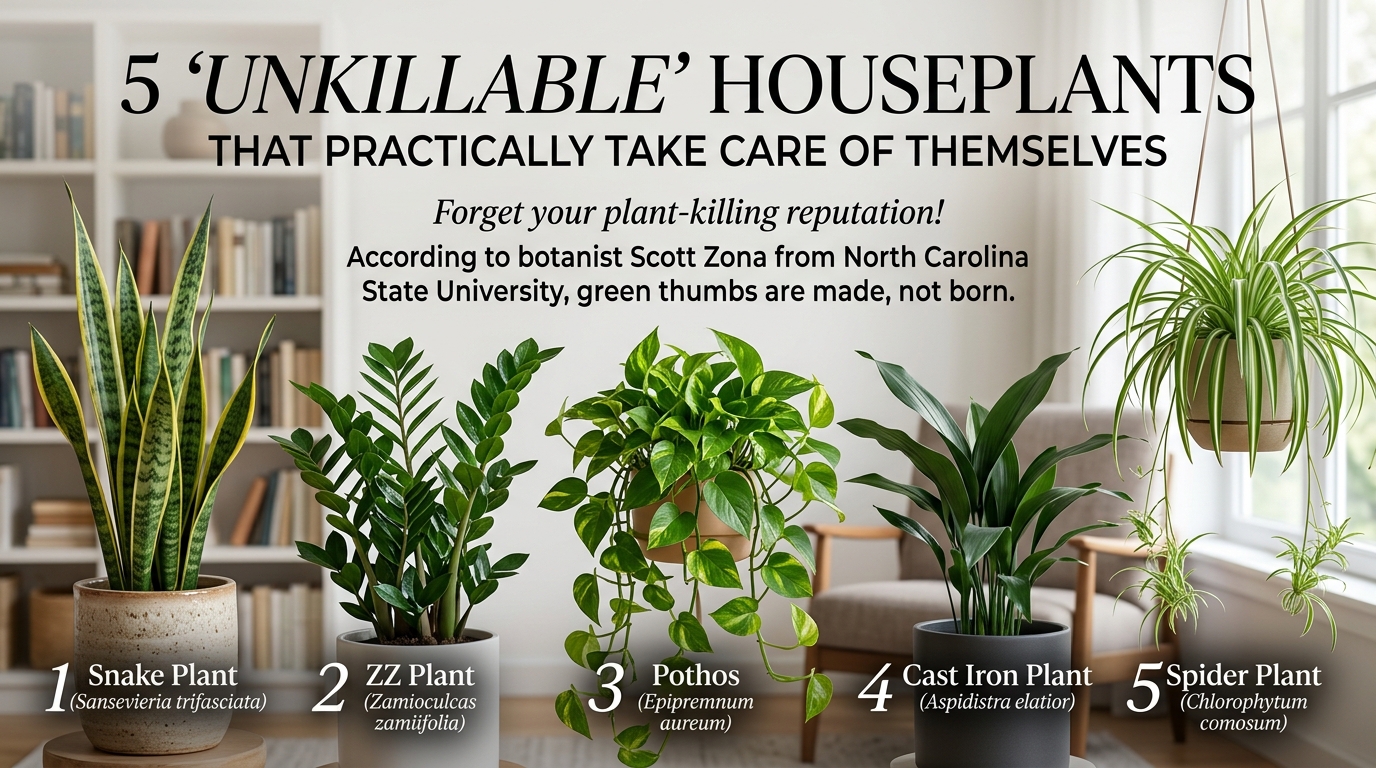
Ready to retire your plant-killer reputation? Botanist Scott Zona has identified five nearly indestructible houseplants perfect for serial plant murderers: African Spear Plant, ZZ Plant, Baby Rubber Plant, Golden Pothos, and Chinese Evergreen. These survivors share a common trait—they evolved in harsh environments and naturally tolerate neglect.
Key Points:
- The universal success formula: Learn how each plant grows in its wild habitat, then replicate those conditions at home (not the other way around)
- Overwatering remains the #1 killer—use cactus-specific soil for succulents, let soil dry completely between waterings, and ensure proper drainage
- These five species tolerate low light, irregular watering, and temperature fluctuations that would kill finicky tropicals
Why it matters: This isn’t just a plant list—it’s a mindset shift. By understanding that green thumbs are made through knowledge, not born through magic, beginners gain the confidence to expand beyond “starter plants.” The habitat-replication principle works for any plant, making this your foundation for future success. Plus, these botanist-approved selections genuinely forgive your mistakes while you learn proper care routines.
🔗 Why Your Potting Soil Smells Bad—and The 5-Minute Fix to Prevent Root Rot (9 minute read)
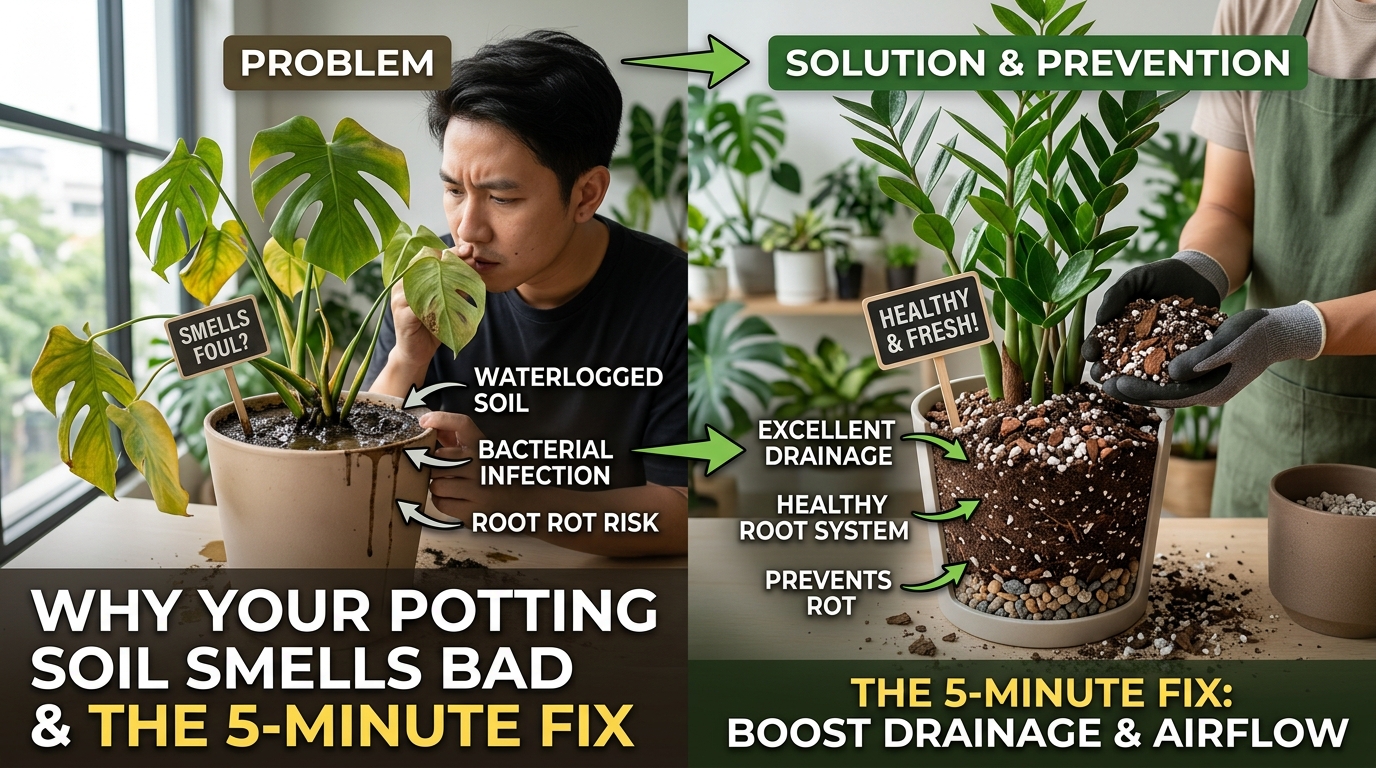
That foul smell coming from your plant pot isn’t normal—it’s an emergency signal. Bad odors indicate waterlogged soil, root rot, or anaerobic bacterial infections, all deadly to houseplants. The good news? A quick smell test diagnoses the problem before visible symptoms appear, giving you time to intervene.
Key Points:
- Diagnose by checking soil moisture (insert finger to second knuckle) and inspecting roots for black, mushy tissue versus healthy white, firm roots
- The emergency fix: Remove the plant, trim rotted roots with sterilized scissors, repot in fresh well-draining soil, and immediately adjust watering habits
- Prevention beats cure—ensure pots have drainage holes, water only when topsoil dries, and adjust frequency seasonally (less in winter, more during active growth)
Why it matters: Overwatering kills more houseplants than any other factor, yet most beginners don’t realize they’re doing it until leaves yellow and drop. This 5-minute smell test acts as your early warning system, catching root rot when it’s still fixable. The step-by-step repotting guide transforms a plant death sentence into a learning opportunity, building your confidence to handle future emergencies.
Trending Now
-
Shop Light Fixtures Under $20: Hardware store basics that outperform $200 grow light systems—delivering consistent broad-spectrum light without the marketing hype or power consumption
-
Low-Light Plant Collections for Dark Apartments: Curated sets of 36+ plants that actually prefer dim corners, complete with watering schedules and humidity requirements
-
Microclimate Mapping Templates: Printable floor plan worksheets to track light, temperature, and humidity zones before your next plant purchase
-
Live Plant BINGO: Join our community game matching plant care challenges with real-world solutions—fun way to learn while you grow
Worth Reading
🎯 The $15 Lighting Hack That Outperforms Premium Systems
Budget-conscious gardeners are ditching expensive grow lights for simple shop fixtures that deliver superior results. The secret? Plants respond better to consistent light intensity and duration than specialized color tuning. These basic fixtures consume less power, last years longer, and cost significantly less while matching or exceeding premium performance. (Read more)
🎯 36 Plants That Actually Thrive in Your Dark Apartment
Your dim apartment isn’t a plant death sentence—it’s perfect habitat for dozens of species. From the delicate Rabbit’s Foot Fern ($13) to the hardy Boston Fern ($60) that flourishes in north-facing windows, this comprehensive guide includes watering schedules, humidity tips, and online shopping links. Standouts include the colorful Stromanthe Tricolor ($47) for beginners and the air-purifying Staghorn Fern ($25). (Read more)
🎯 The Habitat-Replication Method That Works for Any Plant
Botanist Scott Zona’s universal formula transforms plant care from guesswork to science: research how your plant grows in its native environment, then recreate those conditions at home. This principle works whether you’re growing desert cacti or rainforest ferns, providing a framework that scales from beginner to expert. (Read more)
🎯 Emergency Root Rot Rescue Protocol
When soil smells like rotten eggs, you have hours—not days—to save your plant. This step-by-step emergency guide walks through root inspection, surgical trimming, soil replacement, and post-rescue care adjustments. Includes seasonal watering schedules and drainage fixes that prevent future crises. (Read more)
Question of the Week
What’s your biggest indoor gardening challenge right now?
- A) Finding plants that survive low light
- B) Preventing overwatering and root rot
- C) Understanding my home’s microclimates
- D) Growing on a tight budget
This week’s roadmap gives you the foundation every successful indoor gardener needs: know your space, choose compatible plants, troubleshoot problems early, and expand smartly without breaking the bank. Each article builds on the last, creating a progression from planning to thriving.
Next week, we’ll tackle the next phase of your journey—seasonal care adjustments, propagation techniques, and advanced troubleshooting for those ready to level up. Until then, grab that pen and map your microclimates. Your future plants will thank you.
Happy growing,
The Greenhouse Weekly Editor
📊 How did you like today’s email?
Enjoyed this issue?
Subscribe to get The Greenhouse Weekly delivered to your inbox every week.
Join 17709 other subscribers • Free forever