
Stop Killing Your Plants: The Hidden Mistakes You're Making
You're overwatering, under-watering, or ignoring what's happening in the soil
|
The Greenhouse Weekly Digest
Welcome to this week’s edition! If you’ve ever wondered why your houseplants keep dying despite your best efforts, you’re not alone—and you’re in the right place. Today we’re diving deep into the mistakes that secretly sabotage your plants, plus foolproof solutions to help you finally achieve that green thumb you’ve been dreaming about.
“The greatest fine art of the future will be the making of a comfortable living from a small piece of land.”
— Abraham Lincoln
Today’s Themes
- 🚨 The 12 sneaky mistakes that are slowly killing your houseplants (and how to stop them)
- 🌿 8 nearly indestructible plants that make you look like a gardening expert
- 🐱 Pet-safe plant choices for cat lovers who refuse to choose between fur babies and green babies
- 💡 Troubleshooting yellow leaves: What’s happening beneath the soil surface
- 🎯 Expanding your collection with low-maintenance options like Fiddle Leaf Figs, rosemary, and sago palms
🔗 12 Common Houseplant Mistakes That Are Secretly Hurting Your Plants (6 minute read)
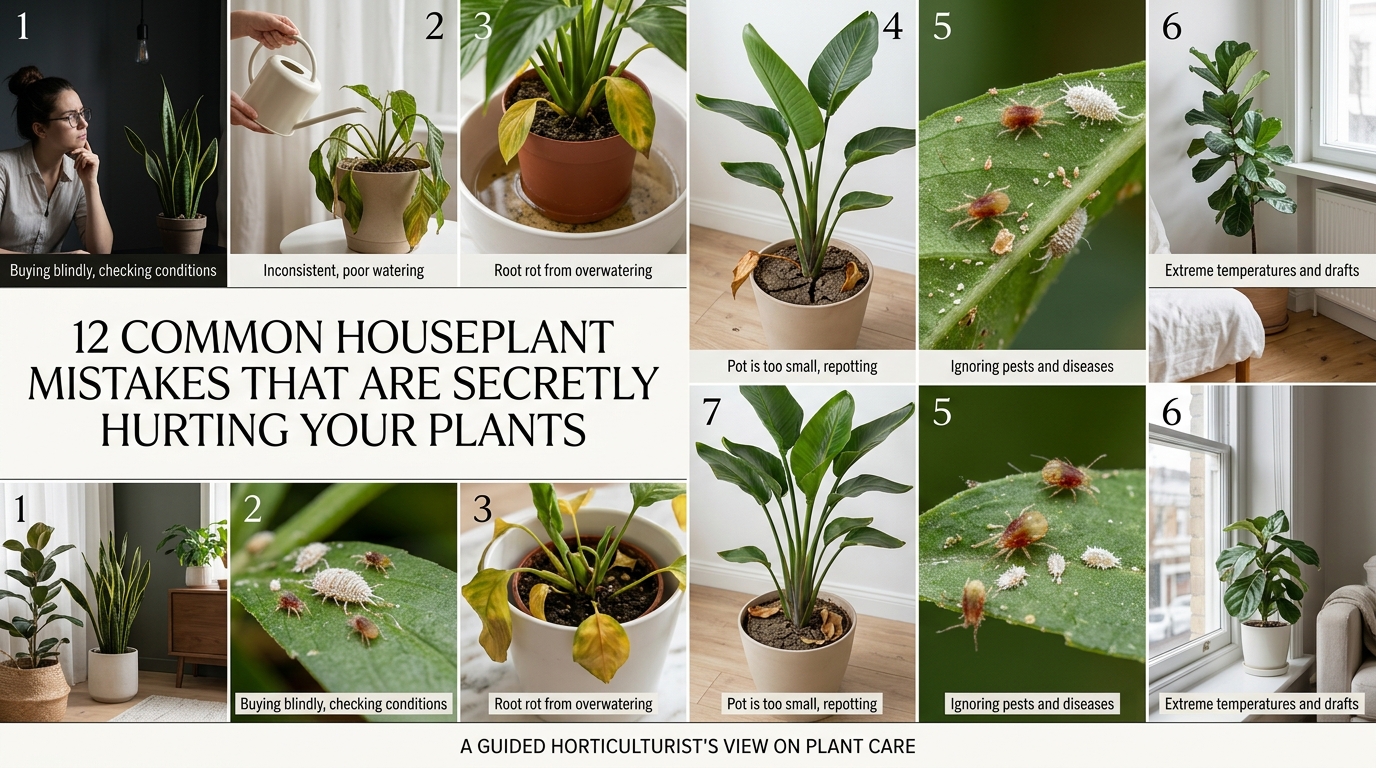
Good intentions aren’t enough to keep houseplants thriving—and according to horticulturists, most of us are making critical errors without even realizing it. From buying plants without researching your home’s light conditions to using tap water loaded with harmful salts, these common mistakes are the silent killers in your indoor garden. The path to plant parenthood success requires understanding each plant’s specific needs and committing to consistent, informed care.
Key Points:
- Buying plants without first assessing your home’s light direction, humidity levels, and seasonal changes sets you up for failure from day one
- Tap water contains salts and chemicals that accumulate in soil over time, harming roots—filtered or distilled water is worth the investment
- Neglecting fertilization, poor drainage, dust buildup on leaves, temperature extremes, and failing to repot as plants grow all contribute to declining plant health
- Inconsistent watering schedules cause more damage than almost any other factor—plants need predictable care routines
Why it matters: This comprehensive guide addresses the fundamental mistakes that cause most houseplant deaths, giving beginners and intermediate gardeners the knowledge to prevent problems before they start. By understanding these 12 pitfalls—from research and water quality to environmental factors—you’ll transform your approach from reactive troubleshooting to proactive, sustainable plant care. It’s the difference between constantly replacing struggling plants and cultivating a thriving indoor garden that lasts for years.
🔗 If Your Houseplants Won’t Stop Turning Yellow, Look Beneath the Soil Surface (102 minute read)
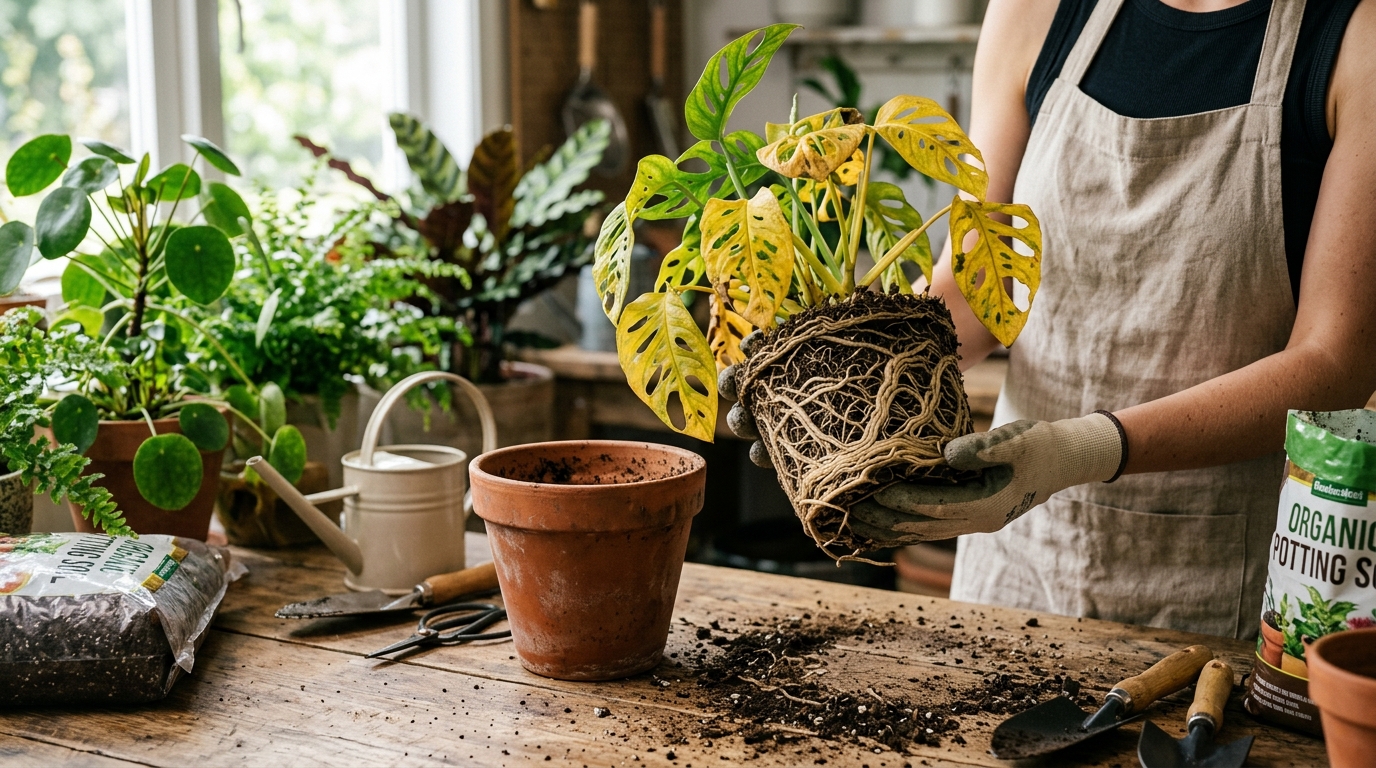
Yellowing leaves are one of the most frustrating houseplant problems, and the culprit might be hiding just beneath the surface. Root-bound plants—where roots have outgrown their containers and wrapped around themselves—display telltale signs including yellowing foliage, stunted growth, wilting, and soil that dries out faster than usual. Expert Rosalin Ortega explains that roots poking through drainage holes and hydrophobic soil are clear indicators it’s time to take action.
Key Points:
- Root-bound plants display yellowing leaves, stunted growth, rapid soil drying, and roots visibly emerging from drainage holes
- The solution is gentle repotting into a container just one size larger with fresh potting mix—avoid going too big, which can cause other problems
- Carefully remove the plant, loosen outer roots, and trim any damaged ones with sharp pruning snips, but avoid removing more than necessary to prevent stress
- Spring is the ideal time for repotting as plants enter active growth, giving them the best chance to recover and thrive in their new space
Why it matters: This practical troubleshooting guide tackles one of the most common houseplant problems with clear diagnostic signs and actionable solutions. For beginner and intermediate gardeners, learning to recognize root-bound conditions and confidently repot plants is a fundamental skill that prevents plant loss and builds long-term care confidence. The step-by-step approach removes the intimidation factor from repotting, transforming it from a scary procedure into a routine maintenance task that keeps your plants healthy and growing.
🔗 8 Beginner Houseplants That Make It Look Like You Have a Green Thumb (7 minute read)
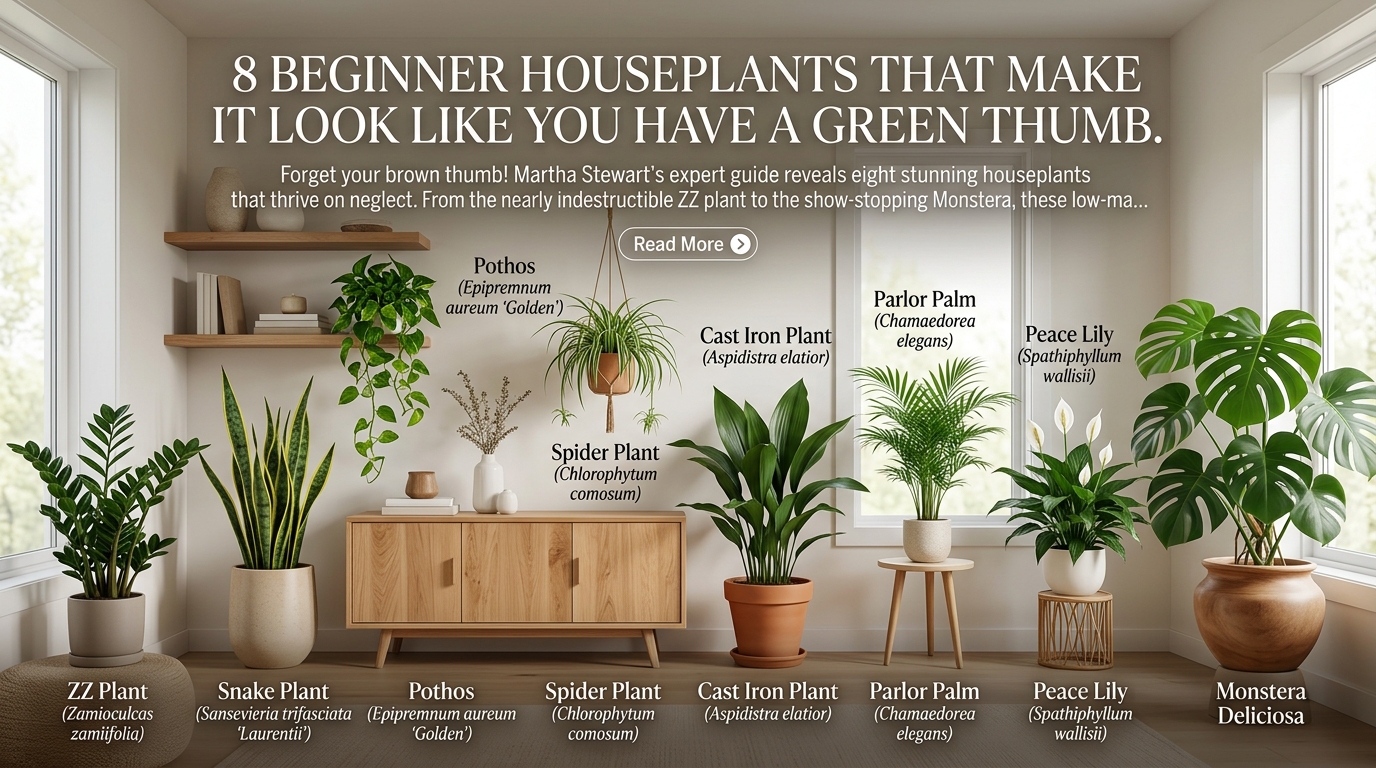
Think you have a brown thumb? Think again. Martha Stewart’s expert guide reveals eight stunning houseplants that thrive on benign neglect while delivering maximum visual impact. From the nearly indestructible ZZ plant to the show-stopping Monstera, these low-maintenance beauties fool everyone into thinking you’re a seasoned gardener. Snake plants tolerate drought and darkness, Pothos vines cascade effortlessly with minimal care, and Peace Lilies even produce elegant white flowers without demanding constant attention.
Key Points:
- ZZ plants and snake plants are nearly impossible to kill, tolerating low light, irregular watering, and general neglect while still looking lush
- Pothos, Spider Plants, and Monstera offer dramatic visual impact with cascading vines or statement leaves but require minimal daily maintenance
- Peace Lilies and Aloe Vera add functional benefits—elegant flowers and medicinal gel—while remaining forgiving of beginner mistakes
- Colorful Coleus brings vibrant foliage to indoor spaces and adapts easily to various light conditions, making it perfect for renters and apartment dwellers
Why it matters: After learning what kills plants and how to troubleshoot problems, this guide shows you what success actually looks like. These eight beginner-friendly options are specifically chosen for busy urban dwellers who want beautiful, design-forward spaces without the time commitment of high-maintenance plants. Each plant comes with expert tips to avoid common mistakes—like overwatering Aloe—so you can build confidence and expand your collection sustainably. This is your roadmap from plant anxiety to plant confidence.
Trending Now
-
Pet-Safe Spider Plants: Cat owners rejoice—spider plants, Boston ferns, areca palms, and calatheas are all safe options for feline-friendly homes, while peace lilies, pothos, and true lilies should be strictly avoided
-
Root-Bound Diagnostics: Spring repotting season is here—learn to spot the signs of root-bound plants before yellowing leaves become a chronic problem
-
Low-Maintenance Monstera: The show-stopping Monstera is having a moment among beginner gardeners for its dramatic leaves and surprisingly forgiving care requirements
-
Tap Water Alternatives: More gardeners are switching to filtered or distilled water after learning that tap water’s salts and chemicals accumulate in soil and damage roots over time
Worth Reading
🎯 Pet Talk: Safe Plants for Cats
Cat lovers don’t have to choose between their feline friends and their indoor garden. Spider plants, Boston ferns, areca palms, and calatheas are all cat-safe options that let you grow with confidence. However, avoid peace lilies, pothos, and especially true lilies, which can cause kidney damage with repeated exposure. For persistent nibblers, try hanging planters or grow cat-specific greens like wheatberries, barley grass, catnip, or cat thyme to satisfy their green-eating instinct. (Read more)
🎯 Grow Sago Palm—an Ancient Plant—Indoors or Out
Discover the prehistoric sago palm, a cycad dating back millions of years that brings tropical elegance to modern homes. Despite its palm-like appearance, this slow-growing plant is remarkably low-maintenance and can live 200+ years, though it grows just one leaf set annually. Perfect for bright, indirect light with well-draining soil, sago palms thrive indoors on windowsills or outdoors in containers. Important safety note: all parts are toxic to pets and humans, so always handle with gloves and keep away from curious cats and dogs. (Read more)
🎯 Experts Reveal the BEST Way to Grow Rosemary
Bridge the gap between ornamental and functional indoor gardening with rosemary—a Mediterranean herb that’s perfect for both home chefs and plant lovers. This drought-tolerant plant thrives with minimal care, requiring at least six hours of direct sunlight daily and well-draining soil. Whether grown outdoors in garden beds or indoors on sunny windowsills, rosemary adapts beautifully and produces lovely purple-blue, pink, or white flowers in late spring. Harvest fresh sprigs year-round for cooking, or dry them for later use—sustainability-minded urban dwellers love growing their own food in limited spaces. (Read more)
Weekly Plant Wisdom: Understanding Your Plant’s Language
Your houseplants are constantly communicating with you—you just need to learn their language. Yellowing leaves, drooping stems, brown tips, and slow growth aren’t random occurrences; they’re specific signals about what’s going wrong in your care routine.
The key is learning to diagnose problems systematically rather than guessing. Start with the basics: check soil moisture by sticking your finger two inches deep, examine the drainage holes for root health, assess the light conditions throughout the day, and review your watering schedule for consistency. Most plant problems stem from just a few core issues—overwatering, underwatering, insufficient light, or root-bound conditions.
Once you understand these fundamental signals, you’ll stop reacting to crises and start preventing them. Your plants will thank you with vibrant growth, and you’ll finally feel like the confident plant parent you’ve always wanted to be. Remember, every expert gardener started exactly where you are now—one yellowing leaf at a time.
This week, we’ve covered everything from the mistakes that secretly sabotage your plants to the foolproof species that set you up for success. Whether you’re troubleshooting yellow leaves, choosing pet-safe options for your cat, or building confidence with beginner-friendly plants, the common thread is clear: sustainable plant care starts with knowledge, not luck.
Don’t forget to check out our Live Plant BINGO at https://www.plant.bingo for a fun way to track your growing collection and discover new species to try. Next week, we’ll dive into seasonal care adjustments and propagation techniques that turn one plant into many—without spending a fortune.
Happy growing,
The Greenhouse Weekly Editor
📊 How did you like today’s email?
Enjoyed this issue?
Subscribe to get The Greenhouse Weekly delivered to your inbox every week.
Join 17716 other subscribers • Free forever