
This Week: AI Transforms Home Gardens + 8 Plants That Never Die
Plant Your Future: AI-Powered Growing is Here


|
The Greenhouse Weekly Digest
Welcome to this week’s edition, where we’re separating viral plant myths from proven methods that actually work. If you’ve been tempted by social media shortcuts or wondering how to expand your collection without breaking the bank, you’re in exactly the right place.
“The best time to plant a tree was 20 years ago. The second best time is now—but only if you know what you’re actually doing.”
— Ancient Proverb, Adapted for Modern Plant Parents
Today’s Themes
- 🪙 Viral houseplant hacks debunked: why pennies won’t save your plants
- 🌱 Free propagation workshop teaches sustainable collection expansion
- 🔬 Evidence-based care vs. social media shortcuts
- 💡 Smart technology transforming indoor growing spaces
- 🛡️ Systematic pest management for confident problem-solving
🔗 Wait, Why the Heck Are People Putting Pennies in Their Houseplants’ Soil? (6 minute read)
The internet loves a good plant hack, but this viral trend of adding pennies to houseplant soil is pure fiction dressed as gardening wisdom. The claim? Copper from pennies leaches into soil, boosting plant health and preventing fungal diseases. The reality? Modern pennies contain minimal copper, and any leaching occurs far too slowly to provide meaningful benefits.
Key Points:
- Modern pennies lack sufficient copper content to impact plant nutrition
- Copper availability in soil depends on complex chemical variables that coins can’t influence
- Unlike commercial copper fungicides that work through direct contact, pennies can’t create protective barriers against fungi
- No peer-reviewed research supports the penny-in-soil method
Why it matters: This viral myth perfectly illustrates why evidence-based plant care matters more than social media shortcuts. Instead of wasting time on unproven hacks, focus on what actually works: monitoring your plants closely, using appropriate fertilizers matched to your plant’s needs, and applying targeted treatments when problems arise. Real plant success comes from understanding fundamentals, not from raiding your coin jar.
🔗 Learn to Multiply your Houseplants with Illinois Extension (6 minute read)
Here’s the positive counterpoint to viral plant myths: legitimate, free education that empowers you to grow your collection sustainably. Illinois Extension’s Growing Community Program is hosting a hands-on propagation workshop on March 17 at noon, where DeWitt and Piatt Master Gardeners will teach you how to multiply overgrown or leggy houseplants using proven techniques.
Key Points:
- Learn four propagation methods: leaf cuttings, stem cuttings, division, and air layering
- Every attendee takes home a propagated plant to practice their new skills
- Free workshop led by certified Master Gardeners with practical, hands-on instruction
- Advanced registration required by March 16 through the Illinois Extension website
Why it matters: This workshop addresses the real way to expand your indoor garden: through cost-effective, sustainable propagation techniques that build genuine confidence. Instead of buying new plants or falling for internet hacks, you’ll learn to refresh tired plants, optimize your space, and share greenery with friends—all while mastering fundamental skills that serve you for years. This is how plant collections grow authentically: through knowledge, not shortcuts.
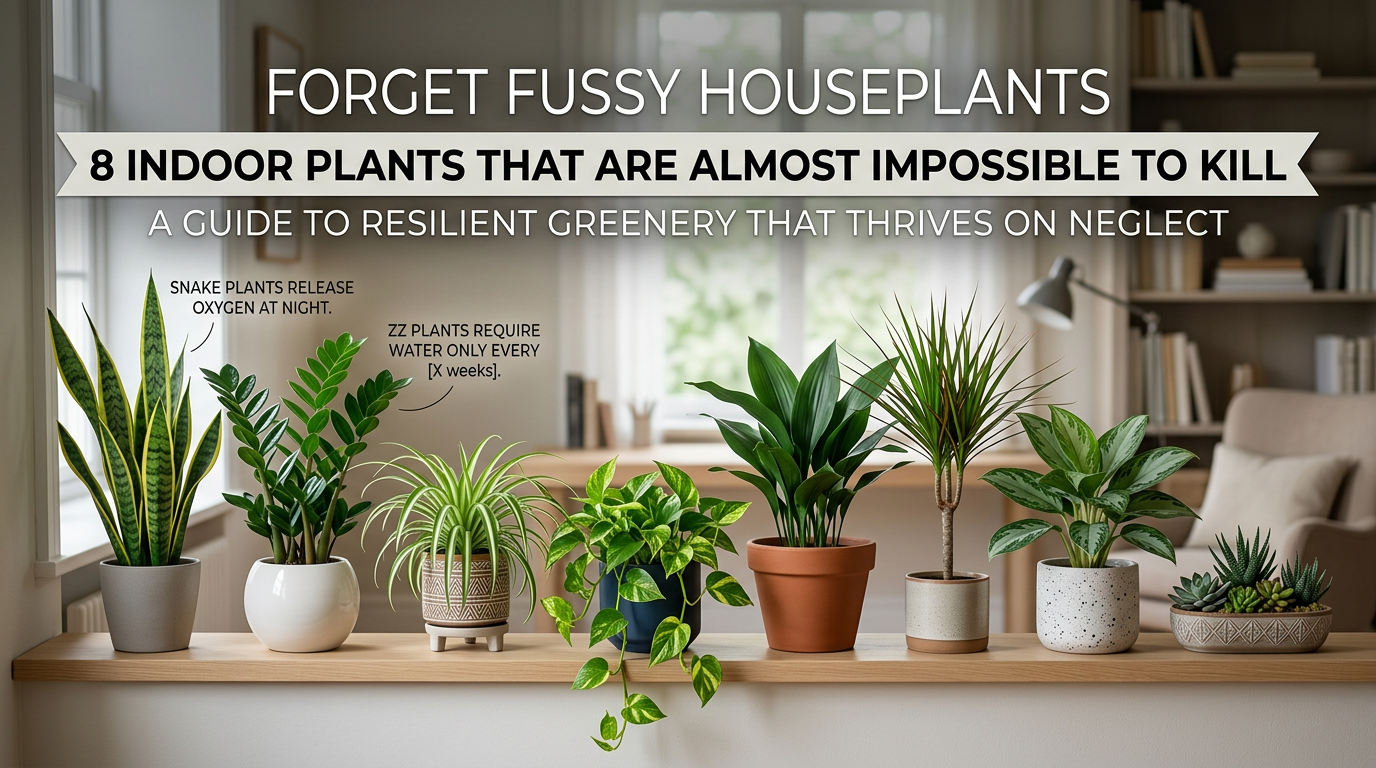
🔗 8 Indoor Plants That Are Almost Impossible to Kill (12 minute read)
If you’ve ever killed a “low-maintenance” plant, this guide is your redemption arc. Eight nearly indestructible indoor plants prove that successful plant parenting isn’t about having a green thumb—it’s about matching the right plant to your actual lifestyle, not the lifestyle you wish you had.
Key Points:
- Snake plants release oxygen at night and tolerate extreme neglect
- ZZ plants require watering only every few weeks and adapt to various light conditions
- Matching plants to your window direction, watering commitment, and available space eliminates most common failures
- These survivors improve air quality, reduce stress, and function as living décor without constant attention
Why it matters: This is the ultimate beginner’s starter guide because it acknowledges the truth: most plant failures aren’t your fault—they’re mismatches between plant needs and human reality. Whether you’re a chronic plant-killer or simply busy, these “plant-proof” options build confidence while delivering real benefits like improved air quality and stress reduction. Consider your actual schedule, your real lighting conditions, and whether you have pets before choosing. That’s not laziness—that’s smart plant parenting.
Trending Now
-
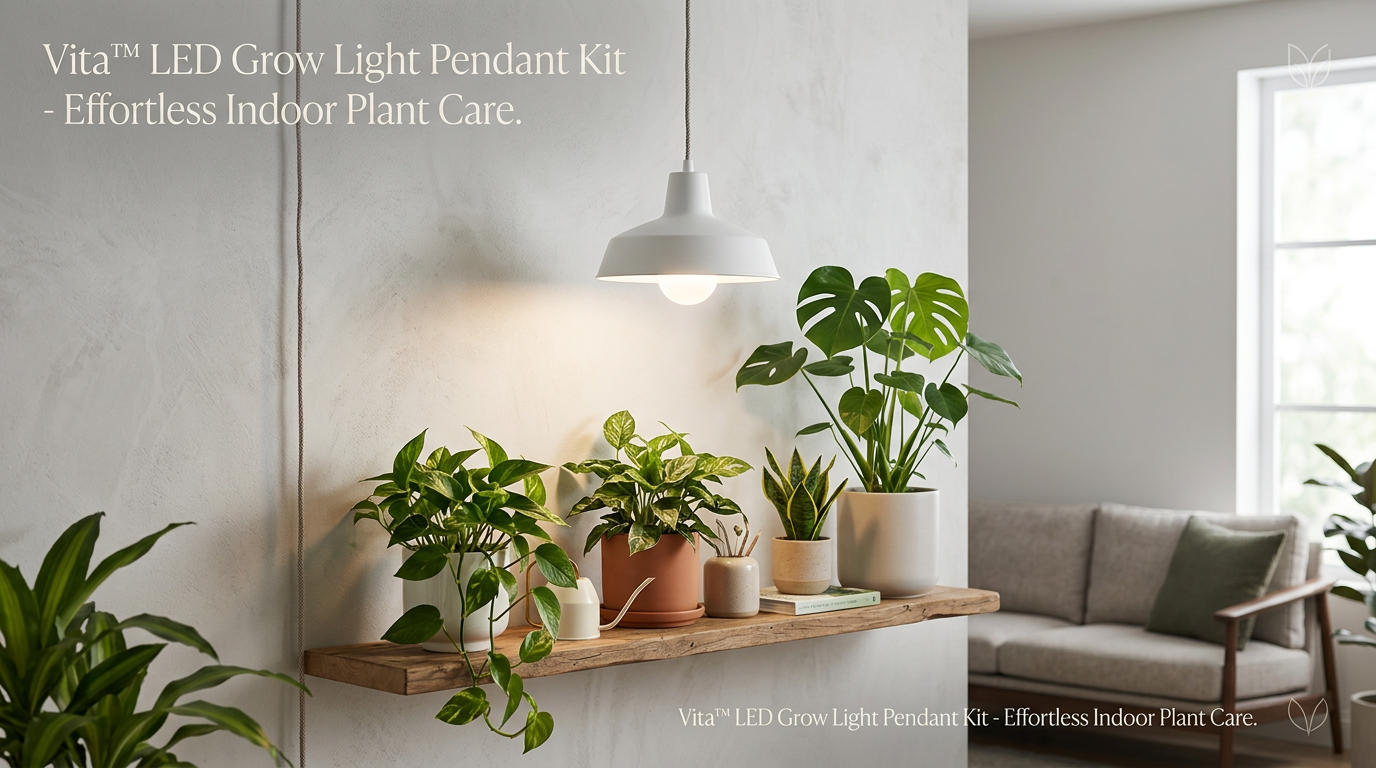
Vita LED Grow Light Pendant Kit: Stylish plug-and-play solution with dimmable 20-watt LED, 60° beam angle, and smart home compatibility—now $42.99 (originally $137.99) for apartment dwellers struggling with limited natural light
-
SF-INFINITE AI-Driven LED Fixture: Revolutionary greenhouse lighting with edge computing and automatic software upgrades that adapts to changing crop strategies without hardware replacement—commercial tech that’s influencing home growing systems
-
Modern Greenhouse Technology Features: Hydronic heating, automated energy curtains reducing costs by 30-40%, and natural ventilation systems—professional innovations being adapted for serious home indoor gardening setups
Worth Reading
🎯 Houseplant Spotlight: Caring for Begonias Year-Round
Ready to expand beyond basic houseplants? Begonias offer stunning beauty with dual wellness benefits—mood-boosting visual appeal and improved air quality. This expert guide from Hill City Master Gardeners provides seasonal care tips to keep these elegant plants flourishing through every season, making them the ideal next-step plant for growing confidence. (Read more)
🎯 5 Indoor Plants for Mindful Spaces
Transform any corner into a calming sanctuary with five spiritually significant plants: Tulsi (Holy Basil) for healing properties, Peace Lily for air purification, fragrant Jasmine, sacred Aparajita, and lush Areca Palm. Beyond their cultural significance, these plants excel at stress reduction and creating wellness-focused spaces in apartments—perfect for sustainability-minded readers designing mindful corners. (Read more)
🎯 How Home Heating Vents Affect Your Plants
Urban renters dealing with forced-air heating near plant shelves, take note: heating vents create harmful conditions through rapid temperature fluctuations and dry air blasts. The solution isn’t moving your plants—it’s redirecting airflow using decorative objects like metal garden ornaments or strategic furniture placement. This quick troubleshooting guide helps apartment dwellers protect their collections without sacrificing valuable growing space. (Read more)
🎯 Integrated Pest Management in Action
Don’t panic when pests appear—use this systematic approach instead: Spot the problem through careful observation, Research to confirm identification and understand the pest lifecycle, then Act with targeted organic solutions during optimal conditions. UGA Extension Agent Eric Marlowe demonstrates how this methodical strategy works for woolly apple aphids, but the same principles apply to common houseplant pests like spider mites, aphids, and fungus gnats. (Read more)
This week’s theme couldn’t be clearer: real plant success comes from evidence-based knowledge, not viral shortcuts. Whether you’re debunking penny myths, learning proper propagation techniques, or choosing genuinely indestructible starter plants, the path forward is the same—invest in understanding fundamentals rather than chasing hacks.
The propagation workshop reminder is your call to action: sustainable collection growth happens through skill-building, not spending. And those “impossible to kill” plants? They’re proof that matching the right plant to your actual lifestyle beats wishful thinking every time.
Keep growing with intention,
The Greenhouse Weekly Editor
📊 How did you like today’s email?
Enjoyed this issue?
Subscribe to get The Greenhouse Weekly delivered to your inbox every week.
Join 17710 other subscribers • Free forever