
Transform Your Space: The Plant Science Breakthrough

|
The Greenhouse Weekly Digest
Welcome to this week’s edition, where science meets soil! We’re diving into groundbreaking research that proves your houseplants are doing more than just looking pretty—they’re actively improving your home environment. Plus, we’ll equip you with the essential care fundamentals that separate thriving plants from struggling ones.
“What appears to be an ending is actually a meaningful handoff.”
— Susan Brownstein, on the lifecycle of bromeliads
Today’s Themes
- 🔬 New research reveals how indoor plants cool your home by 2°C and filter pollutants
- 💧 Master the 4 non-negotiables of plant care (hint: 80% of plant deaths come from one mistake)
- 🌿 Your complete guide to 42 popular houseplants, from beginner-friendly to Instagram-famous
- 🌺 Understanding plant lifecycles through the bromeliad’s one-bloom wonder
- 🌱 Propagation techniques that turn one plant into many
🔗 Science Confirms: Your Houseplants Are Working Harder Than You Think (7 minute read)
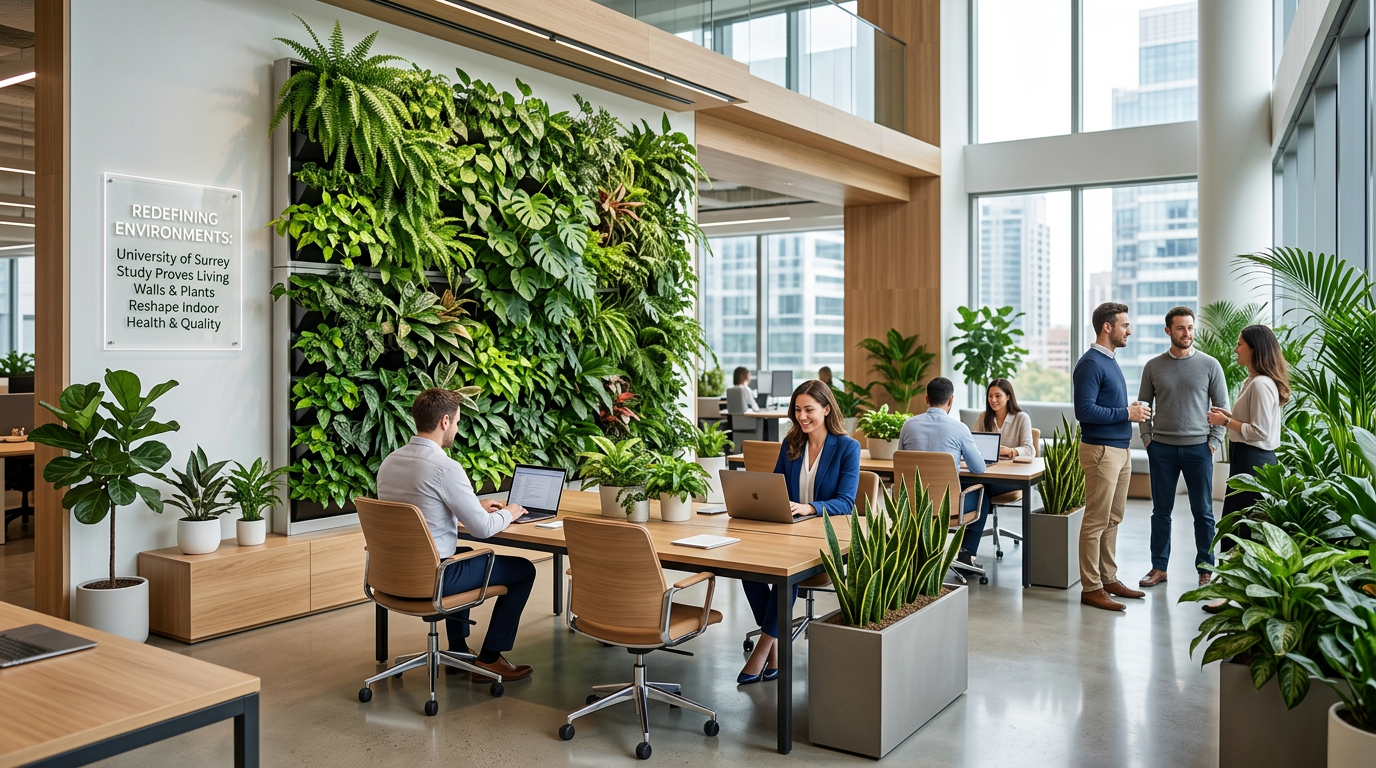
Groundbreaking research from the University of Surrey has finally quantified what plant lovers have long suspected: indoor plants and green systems like living walls are actively improving our living spaces. Published in Building and Environment, this comprehensive study analyzed 26 different indoor greening systems and involved 35 international experts to understand exactly how plants reshape our indoor environments.
Key Points:
- Indoor plants can make spaces feel up to 2°C cooler, offering natural temperature regulation without electricity
- Green systems help reduce humidity fluctuations and filter pollutants from indoor air
- Benefits require proper lighting, maintenance, and system design—they don’t happen automatically
- More real-world studies are needed to understand long-term performance in actual buildings
Why it matters: For urban dwellers seeking environmental benefits in small spaces, this research provides scientific validation for investing in houseplants. The 2°C cooling effect is particularly significant for apartment residents without climate control options, while the pollutant-filtering capabilities address air quality concerns in dense urban environments. However, the emphasis on proper maintenance is a crucial reality check—plants are living systems that require care to deliver these benefits.
🔗 The 4 Non-Negotiables of Indoor Plant Care (7 minute read)
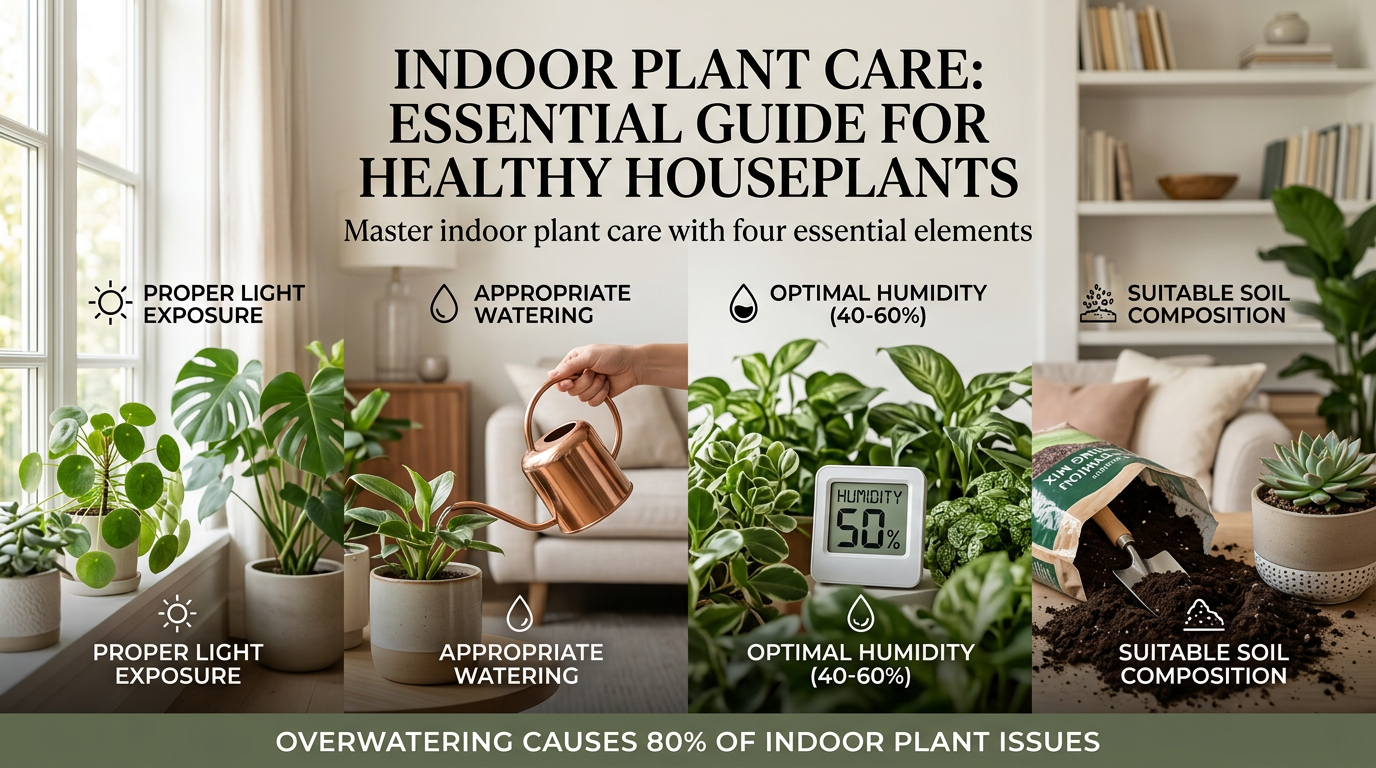
If you want to achieve those science-backed benefits from the University of Surrey research, you need to master the fundamentals first. This comprehensive guide breaks down indoor plant care into four essential elements that determine whether your plants thrive or merely survive: proper light exposure, appropriate watering, optimal humidity levels, and suitable soil composition.
Key Points:
- Overwatering causes 80% of indoor plant deaths—use the finger test (water only when the top inch of soil feels dry) to prevent root rot
- Customize your potting mix by plant type: tropical plants need 60% potting mix with perlite and orchid bark, while succulents require more drainage
- Maintain 40-60% humidity by grouping plants together naturally, no expensive equipment needed
- Start with resilient beginner plants like ZZ plants, snake plants, and pothos before advancing to more demanding species
Why it matters: This foundational knowledge directly addresses the most critical pain point for beginners—the 80% overwatering statistic explains why so many first-time plant parents struggle. The customized soil mix guidance empowers sustainability-minded readers to create their own blends rather than buying generic products, while the humidity grouping technique offers a budget-friendly solution for apartment dwellers. Success comes from observation and adjustment, not perfection, making this an encouraging framework for nervous beginners.
🔗 Your 2026 Houseplant Starter Guide: From Aloe to Monstera (29 minute read)
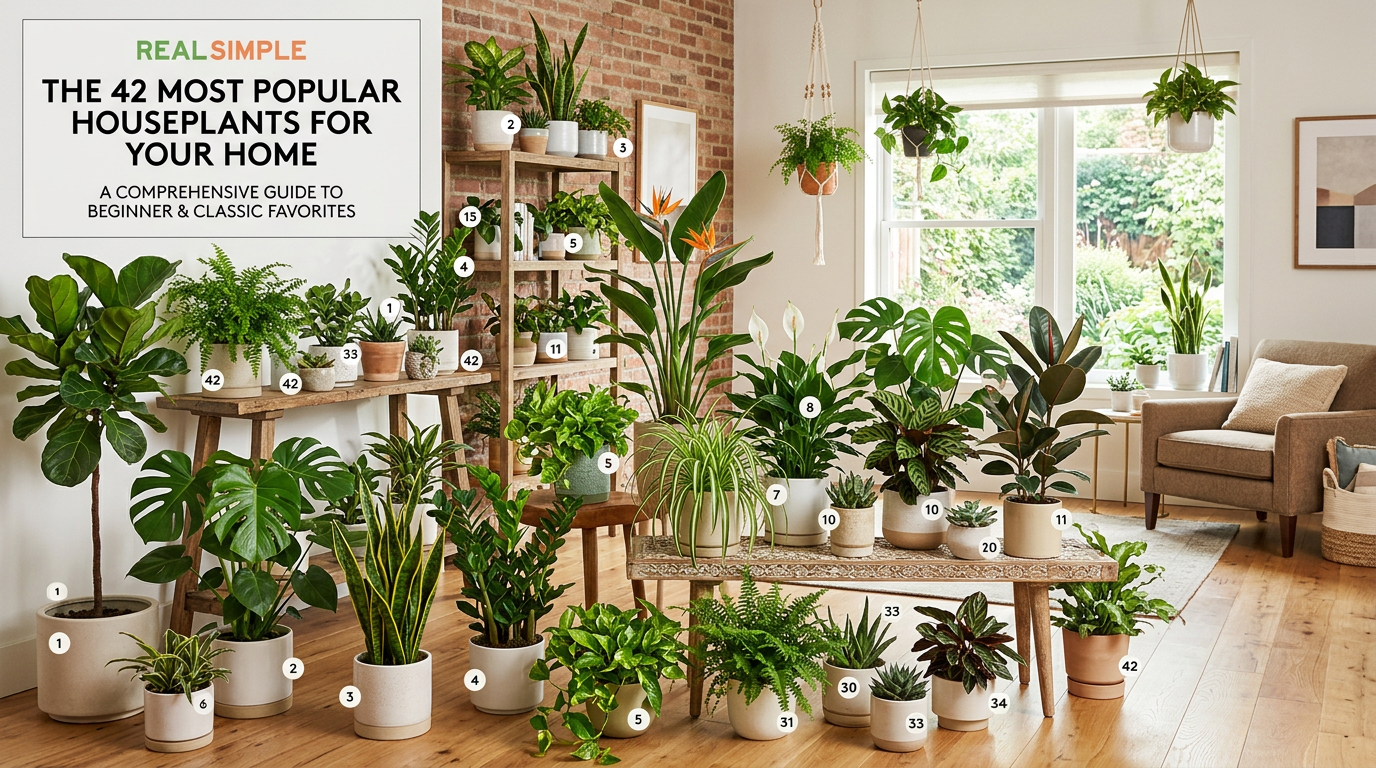
Now that you understand the science and fundamentals, it’s time to choose your plants. Plant parenthood is booming, and this comprehensive guide features 42 of the most popular houseplants, from trendy newcomers to timeless classics. Whether you’re furnishing your first apartment or expanding an existing collection, this resource helps you match plants to your space, lifestyle, and experience level.
Key Points:
- Beginner-friendly options include Snake Plant (tolerates neglect), Golden Pothos (thrives in low light), and Aloe Vera (the most-searched houseplant nationwide)
- Instagram-famous Monstera Deliciosa and trailing Spider Plants offer visual impact for intermediate growers
- Each plant profile includes detailed care instructions covering light, soil, water, temperature, and humidity requirements
- Expert tip: Use moisture meters to prevent overwatering—connecting directly to that critical 80% statistic
Why it matters: For urban dwellers with limited space and varying light conditions, this guide organizes options by difficulty level and spatial requirements. The moisture meter recommendation provides a practical tool that addresses the overwatering epidemic, while the range from low-maintenance succulents to blooming orchids ensures every reader finds plants suited to their commitment level. This is your shopping list and care manual combined, taking the guesswork out of plant selection.
Trending Now
-
Eco-Friendly Plant Rentals: Sustainable option for offices and events, with professional maintenance included to ensure plants deliver those air-quality benefits
-
Living Wall Systems: Advanced green systems analyzed in the University of Surrey research, offering maximum environmental impact in minimal floor space
-
Moisture Meters for Beginners: Essential tool recommended by plant professionals to combat the 80% overwatering problem
-
Succulent Combinations: Low-maintenance drought-tolerant arrangements perfect for bright apartments with forgetful waterers
-
DIY Potting Mix Recipes: Customized soil blends for tropical plants vs. succulents, empowering sustainable gardeners to skip generic products
Worth Reading
🎯 Plant Life Lessons: Understanding Your Bromeliad’s Bloom Cycle
When a teenager’s vibrant bromeliad flower began browning, it revealed a profound botanical truth: bromeliads are monocarpic, blooming only once before gradually declining. But this isn’t the end—the mother plant produces “pups” (offsets) around its base, shifting energy to the next generation. By separating and replanting these pups when they reach one-third the mother’s size, you can cultivate new plants indefinitely. (Read more)
🎯 Common Indoor Plant Mistakes and How to Fix Them
Umm Al Salsal Trading’s Plant Parent Blog addresses the most frequent pitfalls: overwatering and underwatering in office plants, fungal infection treatment, and improper repotting techniques. The blog also covers seasonal flower cultivation for UAE climates and drought-tolerant plant selection, making it a practical troubleshooting resource for both beginners and experienced gardeners facing common challenges. (Read more)
🎯 Winter Blooming Plants for Indoor Spaces
Combat seasonal blues with houseplants that flower during darker months. This guide recommends low-maintenance bloomers like peace lilies and pelargoniums (geraniums) that thrive indoors with minimal fuss, bringing color and life to your space when outdoor gardens are dormant. Perfect for apartment dwellers seeking year-round botanical interest. (Read more)
🎯 Repotting Flowering Plants: Timing and Technique
Learn when and how to repot your blooming houseplants without disrupting their flowering cycle. Expert guidance covers root-bound diagnosis, proper pot sizing, soil selection for flowering species, and post-repotting care to minimize transplant shock. Essential knowledge for keeping your orchids, African violets, and bromeliads healthy long-term. (Read more)
This week, we’ve moved from the ‘why’ of indoor gardening—that scientifically-proven 2°C cooling effect and air purification—to the ‘how’ of mastering watering, light, soil, and humidity. We’ve given you a comprehensive plant selection guide organized by difficulty, and we’ve explored the beautiful lifecycle of bromeliads to deepen your understanding of plant biology.
The journey from beginner to confident plant parent isn’t about perfection; it’s about observation, adjustment, and embracing both the blooms and the pups. Whether you’re starting with a single snake plant or planning a living wall system, you now have the foundational knowledge and scientific backing to create a healthier, cooler, more vibrant indoor environment.
Keep growing,
The Greenhouse Weekly Editor
📊 How did you like today’s email?
Enjoyed this issue?
Subscribe to get The Greenhouse Weekly delivered to your inbox every week.
Join 17710 other subscribers • Free forever